The Hare: England’s Most Bewitching Wild Creature
In England, the brown hare (*Lepus europaeus*) has haunted the landscape for millennia, and the hold it has on the imagination remains as strong as ever. I went to rural Lincolnshire in search of these beguiling creatures with the optimistic hope they would be in a co-operative mood.
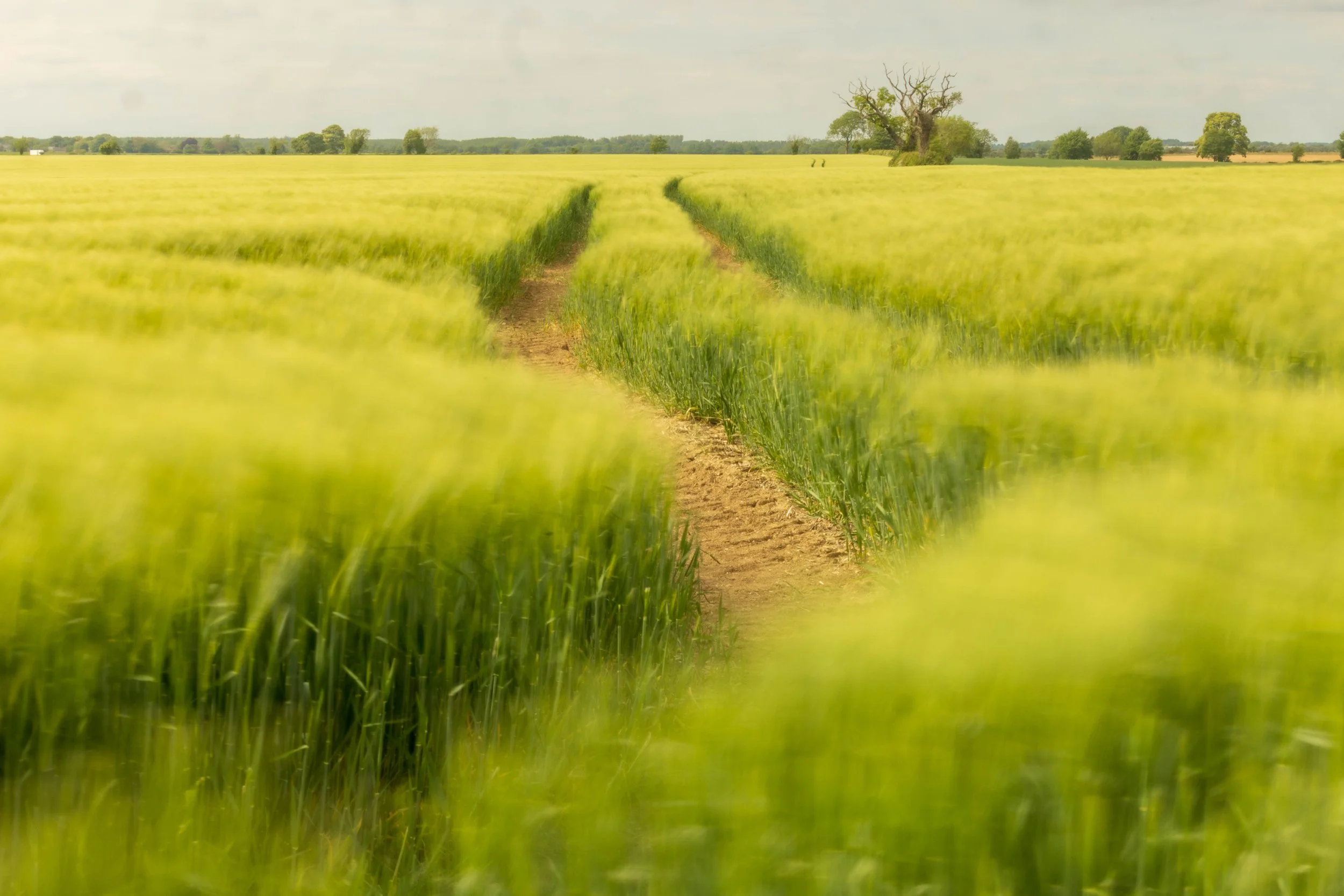
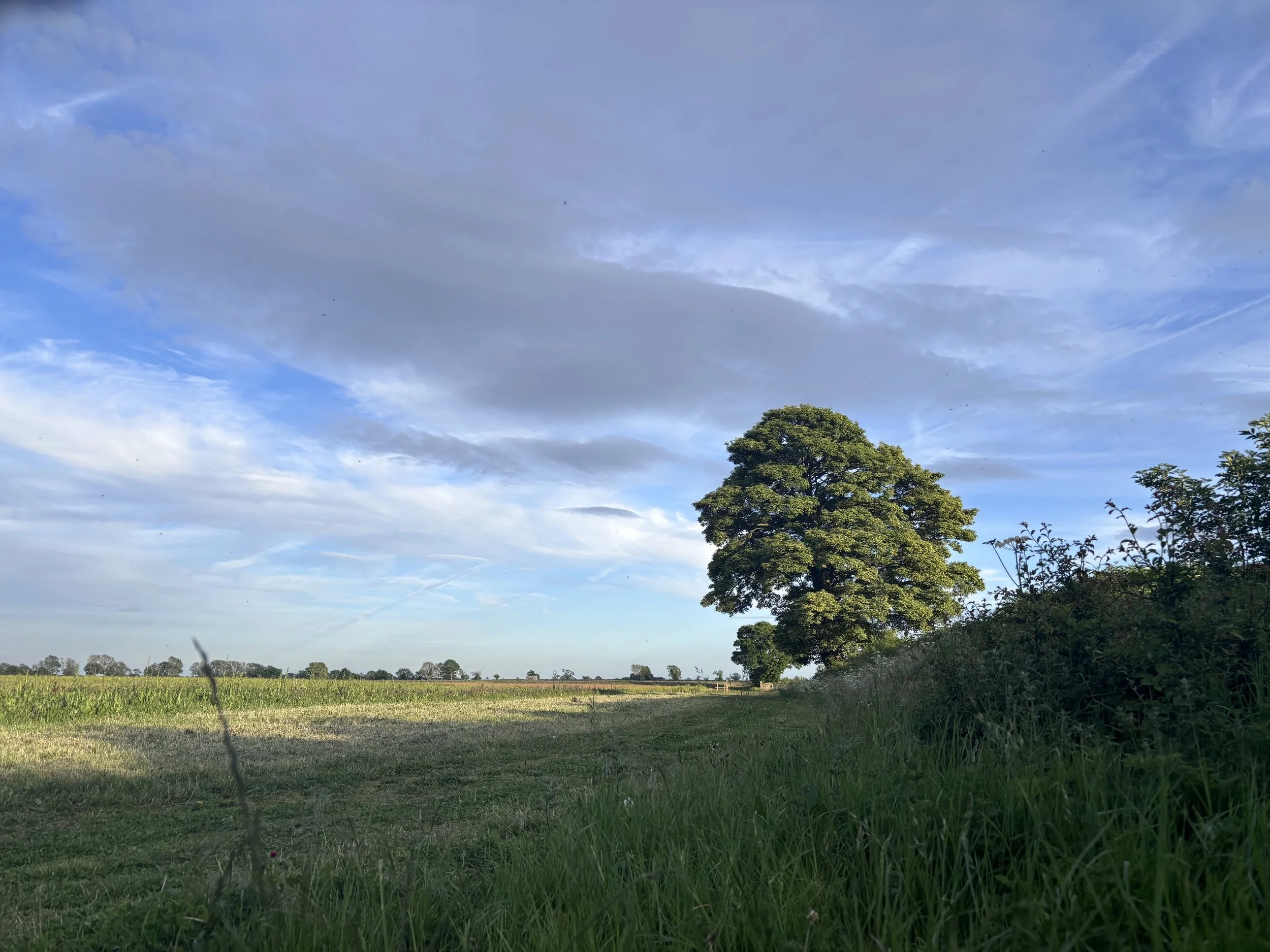
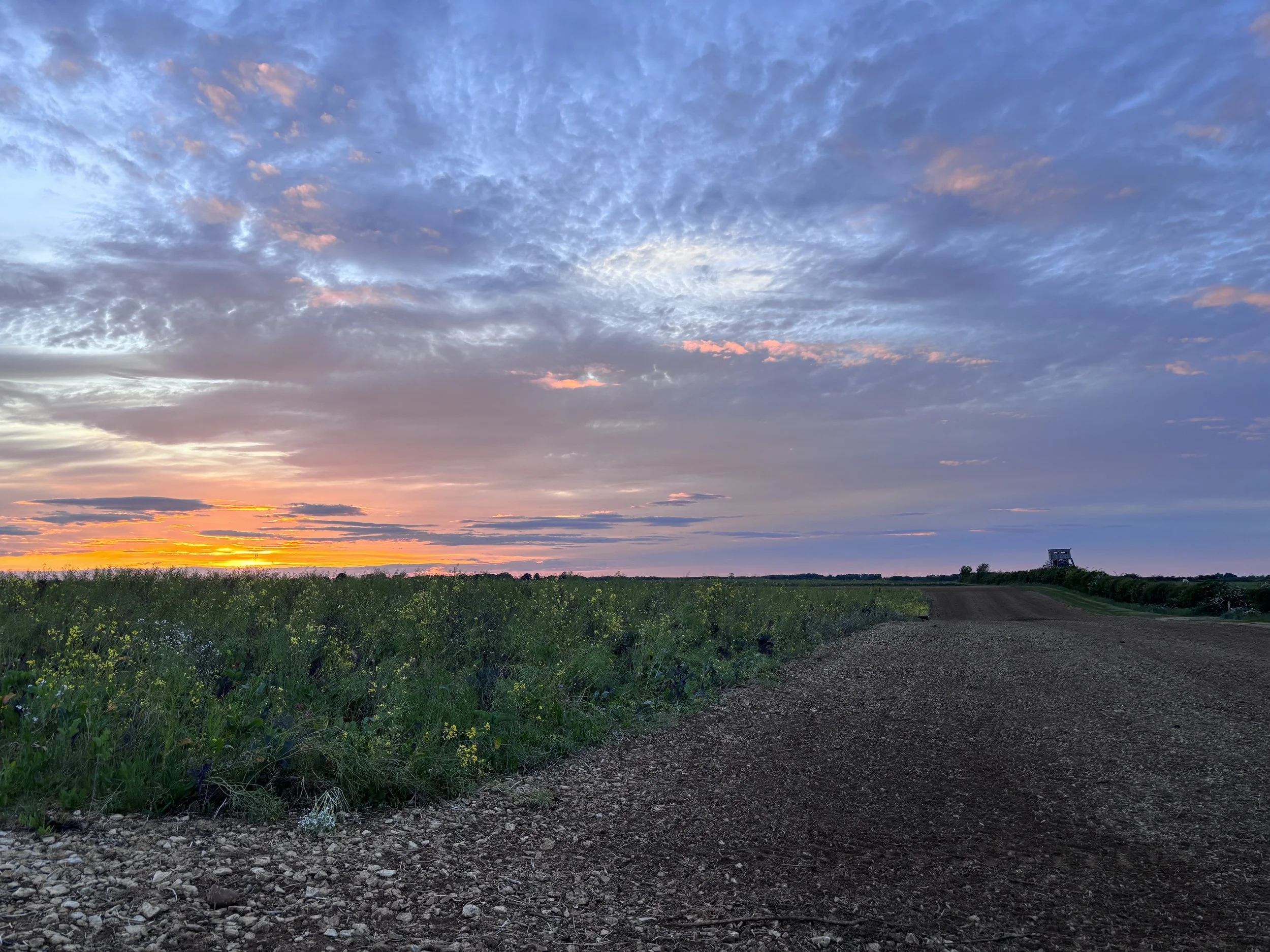
Arriving spectacularly early for my appointment in a hide in the corner of an arable farm, I wandered the local countryside looking for something to photograph before the hares were expecting me. It was a beautiful sunny day in May with a moderate breeze that was sending ripples through fields of wheat that looked, to my admittedly untrained eye, ready for harvesting.
I tried to capture the movement of the wheat by using a slower shutter speed of one to two seconds, made possible with a neutral density filter (the big stopper) to dramatically reduce the light coming in. I used a tripod and a remote release button (best £9 I ever spent) to eliminate camera movement. I’m not a landscape photographer, but I was quite pleased with the result, and made a mental note to try the filter on coastal scenes or waterfalls.
Anyway, back to the hares, and a short natural history.
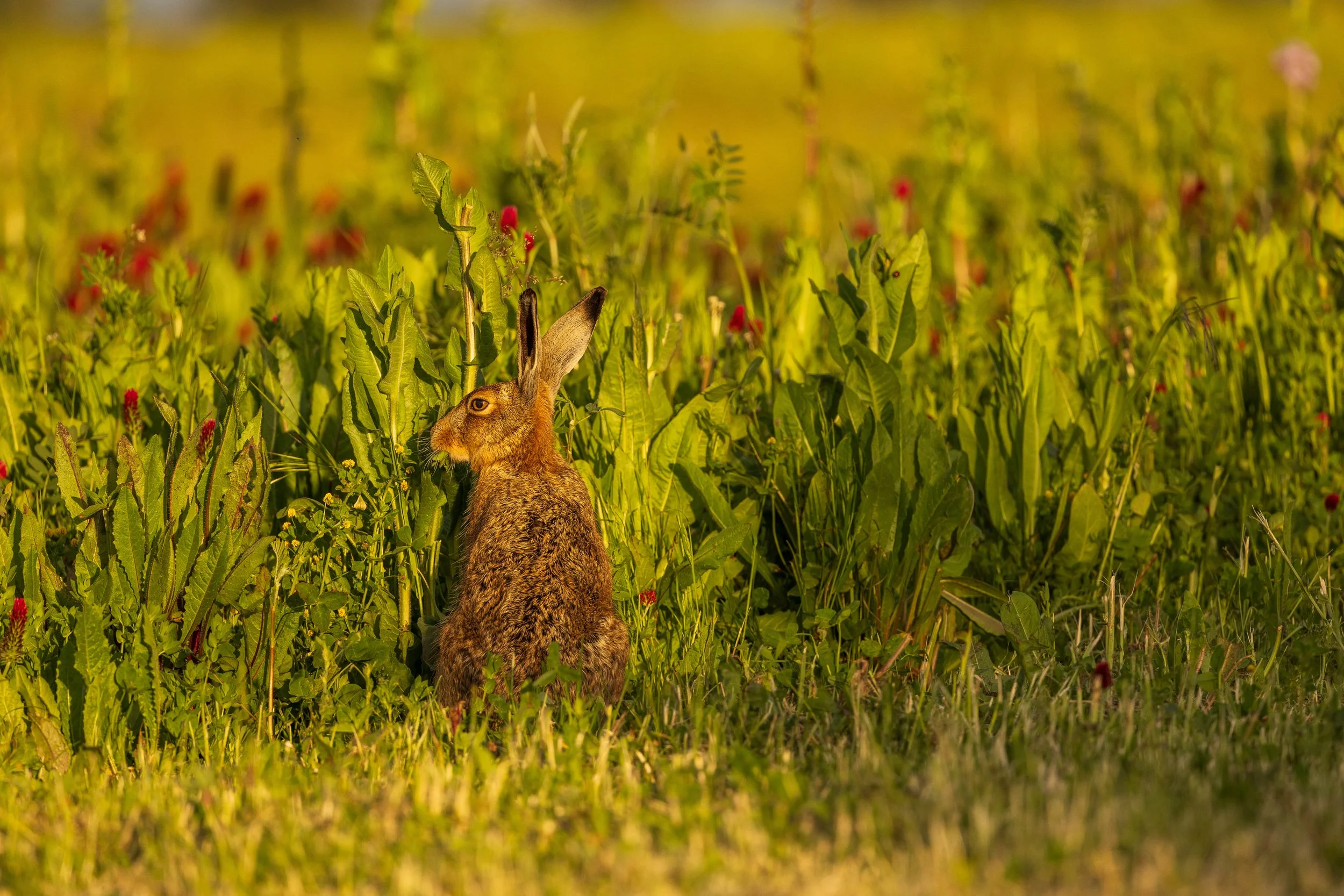
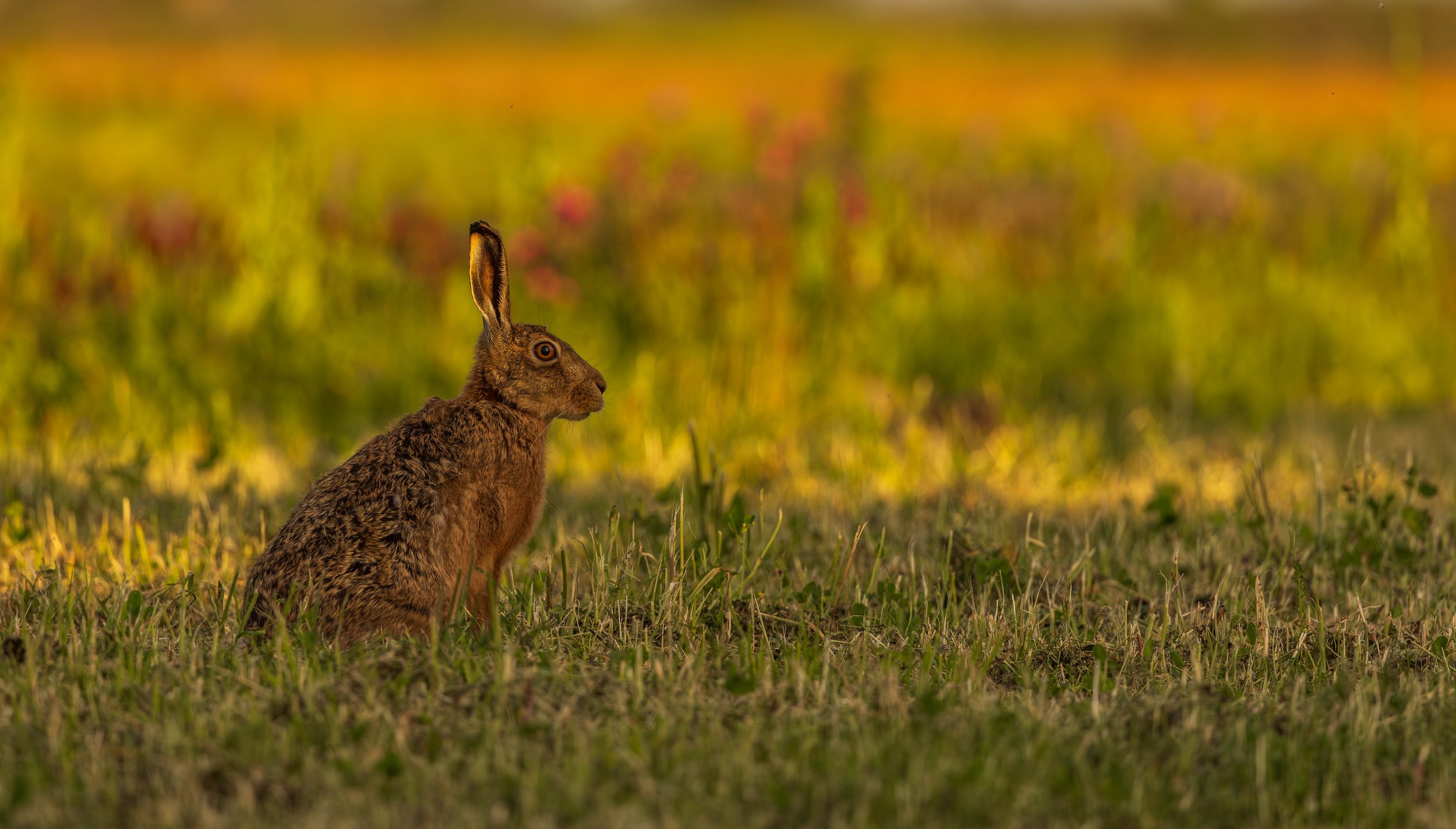
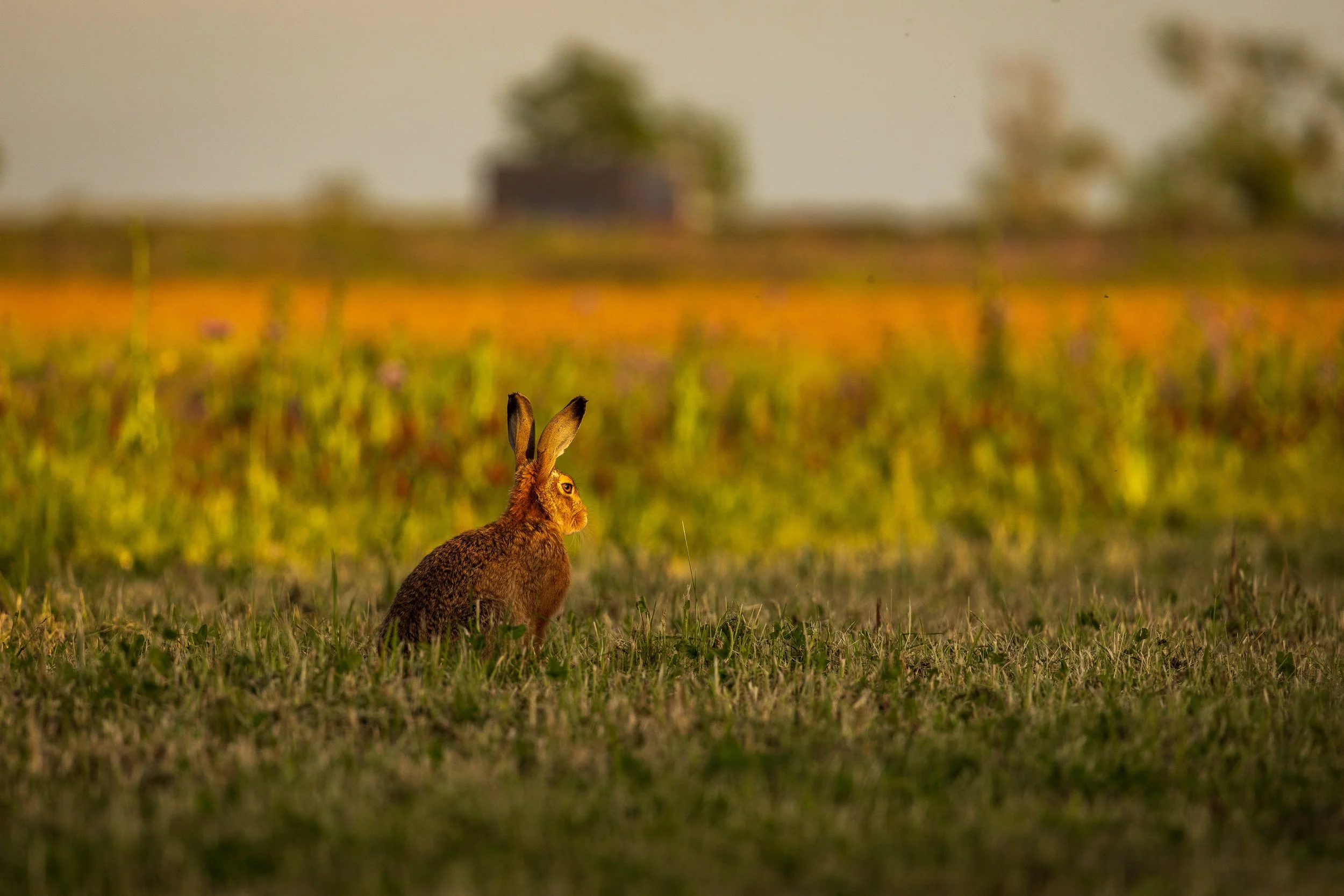
The brown hare is not native to Britain in a deeply historical sense; it is thought to have been introduced by Iron Age peoples or the Romans, yet it has woven itself so thoroughly into the English countryside that it feels aboriginal. Larger than a rabbit, with ears tipped in black and hind legs built for extraordinary speed, a hare can reach 45 mph — fast enough to outrun most dogs. Unlike rabbits, hares live entirely above ground, sheltering in shallow depressions in the grass called ‘forms', their fur pressed flat against the earth.
Their breeding behaviour is remarkable. Brown hares are famously promiscuous and almost continuously reproductive from January through August. Watching on from the hide I saw several leverets, which are born fully furred and open-eyed, scattered across the field and only sporadically visited by their mother just before dusk. They are creatures designed by evolution to survive on alertness and speed alone.
Once abundant across England’s farmlands, the brown hare has regrettably declined significantly since the mid-twentieth century, largely due to intensive agriculture, the loss of hedgerows, and early silage cuts that sadly kill the leverets. Today they are an amber-listed species of conservation concern, though they can still be found in good numbers across the arable East and the chalk downlands in the South. The farm the hide was on had an impressive approach to biodiversity encouraging a wide range of habitat and plant development that catered for a range of mammals and birds, and was fortunately home to a sizeable group of charismatic hares.
Character
Hares do not behave like prey animals are supposed to. You can divide them into sitters or runners, although I imagine each individual hare is fully prepared to do either according to its own criteria and its whim at the time. A hare will sit motionless for extraordinary lengths of time, then vanish in a single bounding stride. They play. They fight. In early spring, females box away over-eager males, rearing up on their haunches in the open field — the origin of the phrase ‘mad as a March hare’.
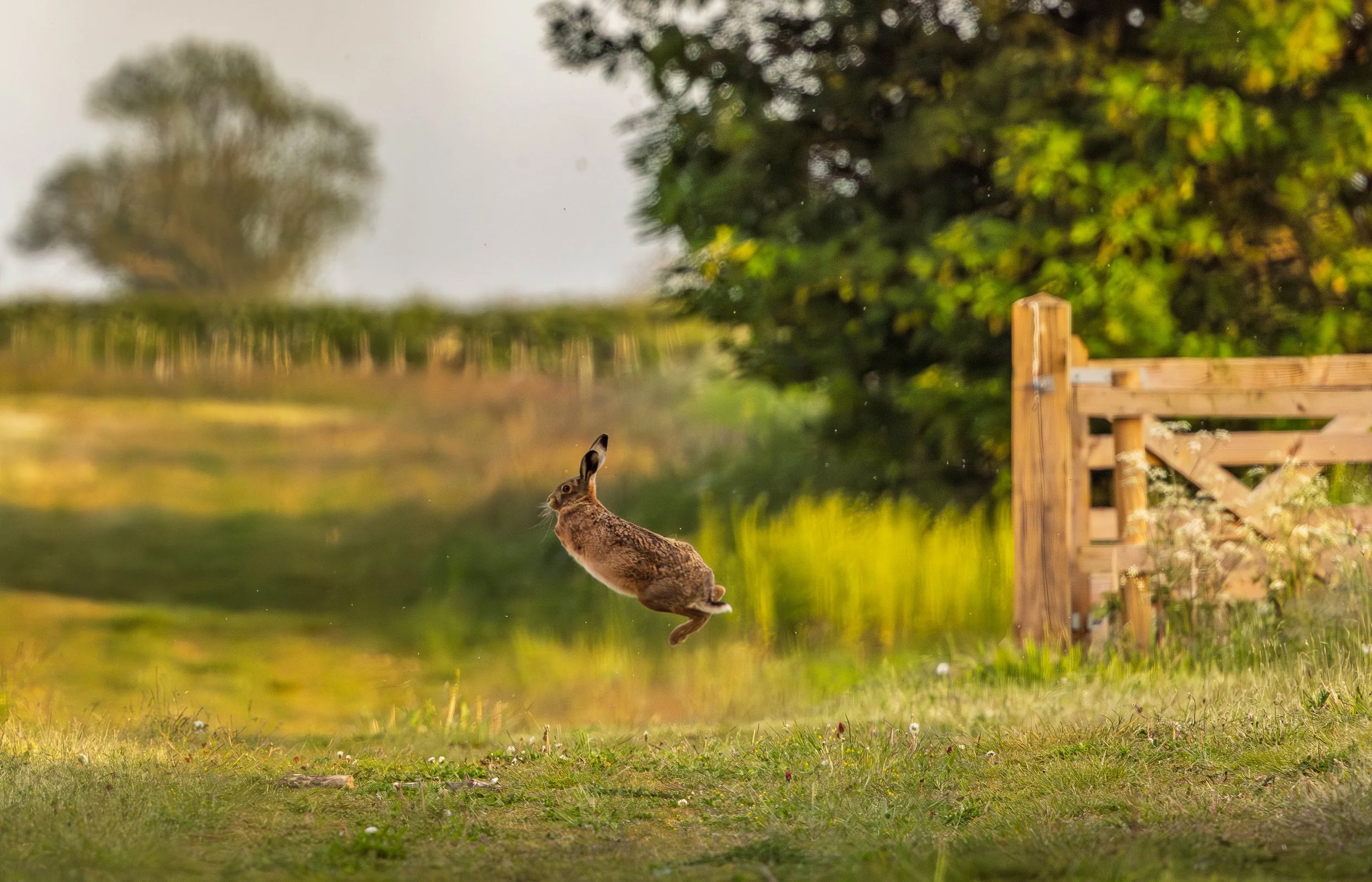
I witnessed this behaviour as I was fortunate to be photographing a hare playing by a nearby gate who, seemingly apropos of nothing, sprung an incredible height in the air for an unspecified purpose.
Spiritual Associations
The hare is one of the oldest sacred animals in England. Boudicca, Queen of the ancient Iceni tribe whose territory included modern day Norfolk and who rebelled (unsuccessfully) against the conquering Romans in AD60, is said to have released a hare before battle as an omen. In folk tradition, hares were associated with witches — women were said to transform into hares at night to steal milk from neighbouring farms, and a silver bullet was the only remedy.
The three hares motif — three hares running in a circle, sharing ears so that each has two though only three exist between them — appears in Devon churches from the medieval period and may represent the Trinity, or simply the pagan mysteries the church absorbed. The hare is also deeply linked to Eostre, the ancient Anglo-Saxon spring goddess of spring and the dawn whose name gave us Easter, connecting the creature to renewal, the moon, and the fertile dark.
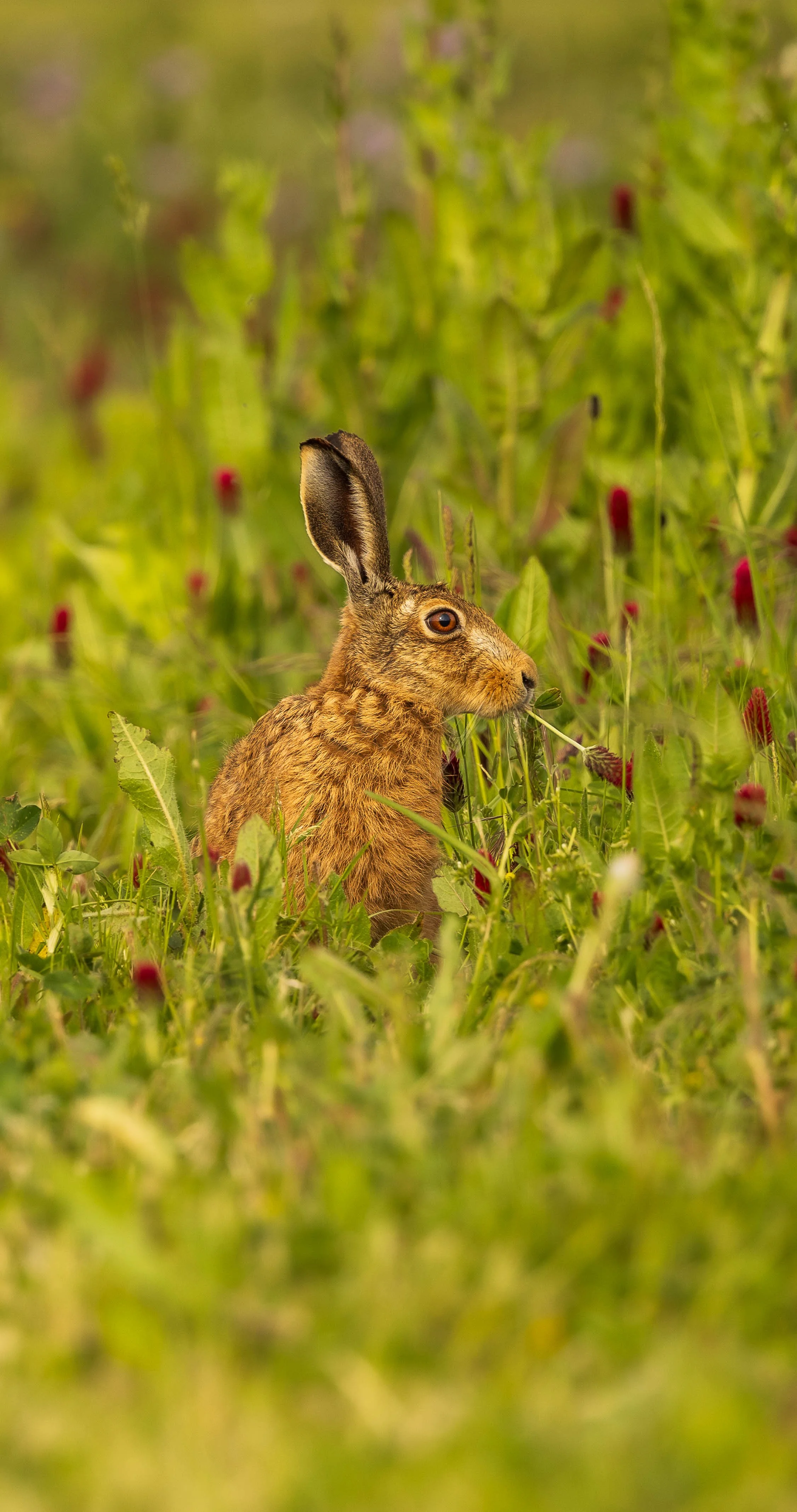
Just Chewin’
If you are interested in photographing hares, check out the booking page as well as Tom Robinson’s other hides.
This blog and photographs and dedicated to my good friend Emily Hare, who maintains she has no connection to these wonderful creatures.