Vantage Point - Emotions and Perspective
Photographers come to learn that their relationship to their subject affects the emotions and feelings the viewer has upon looking at their pictures. Wildlife photographers probably know the frustrations this can cause better than most. A wedding photographer might ask the happy couple to adopt a certain pose and look in a certain direction and be confident they will at least try to comply. A landscape photographer who knows the weather and the area can arrive at their scene at the right time with an idea of what they will be met with. Wildlife photography often requires patience for your subject to even appear (or not), let alone behave in a way that allows you to capture the emotion you seek to communicate.
I wanted to understand more systematically what impact the position of the camera relative to the subject might have on the viewer. I wrote this blog to set this out mainly for my own learning, but if anyone else stumbles across this I hope it’s helpful and if you have anything on this subject to add, contest or question please do contribute in the comments section below.
I was motivated to write this in the drive up to Scotland to photograph adders, where I was taking the time to catch up on Richard Bernabe’s podcast – Beyond The Lens. Richard hosts a range of talented nature photographers and explorers and discusses their philosophy on photography and creative culture; I highly recommend you listen. The subject of the episode in question was a review of the book ‘The Photographer’s Eye’ by John Szarcowski, published in 1966. Szarkowski was a man who spent much more time looking at photographs than taking them.
In the podcast Richard discusses, amongst other things, John’s analysis of the impact of distance, vertical position and angle relative to the subject on the audience’s response to a photograph. Let’s cover each of these in turn, starting with distance:
Near - if your subject is near this creates immersion and intimacy, perhaps even unease or drama and confrontation. Here the photographer is up close and part of the scene, often impacting it by their presence.
The middle-distance - this lends itself more to neutral, impartial observation as if you were recording the subject for a documentary.
Far - the subject being far away creates a sense of isolation and extraction. The subject’s context is illuminated. The intimacy and drama of close ups is replaced with calm.
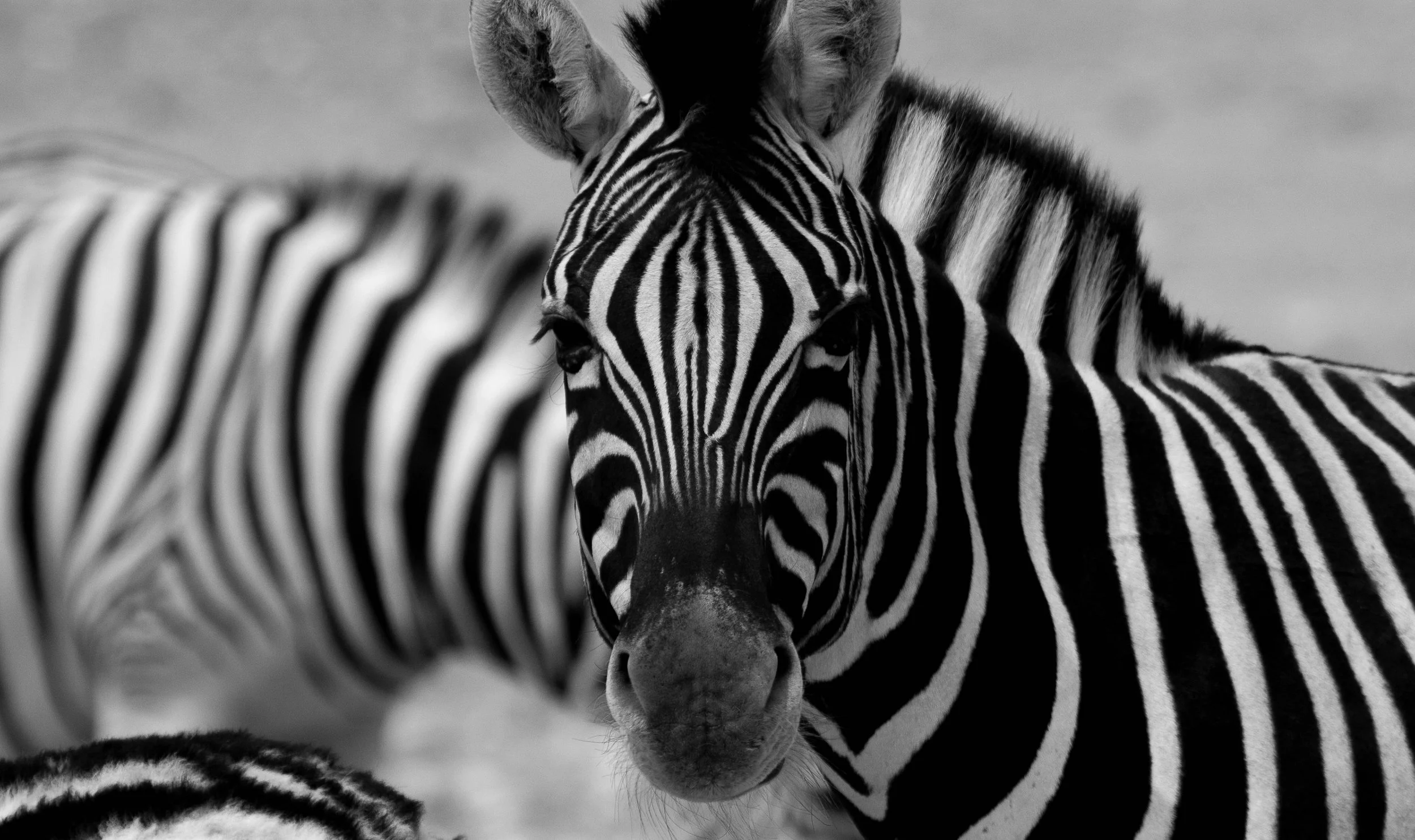
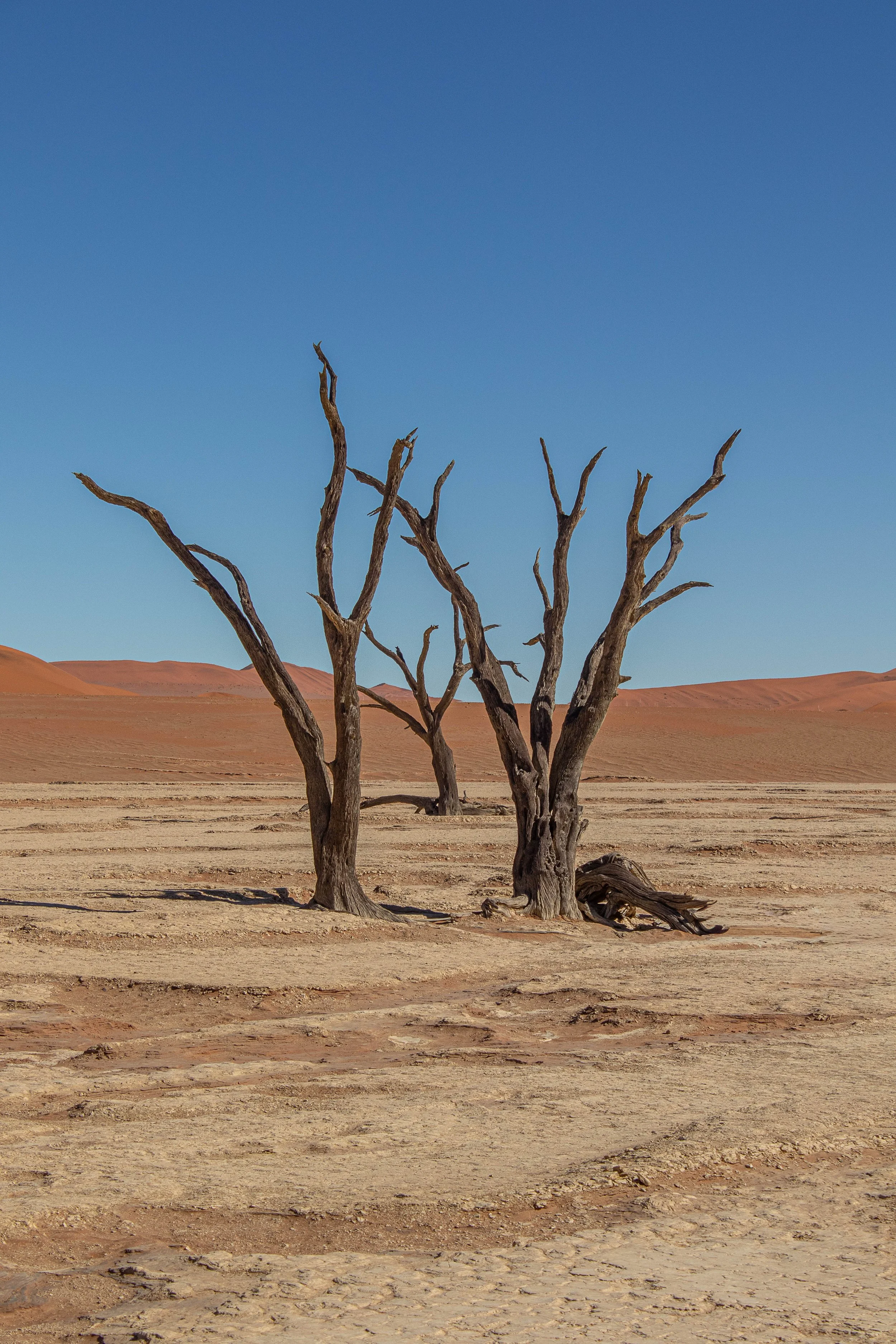
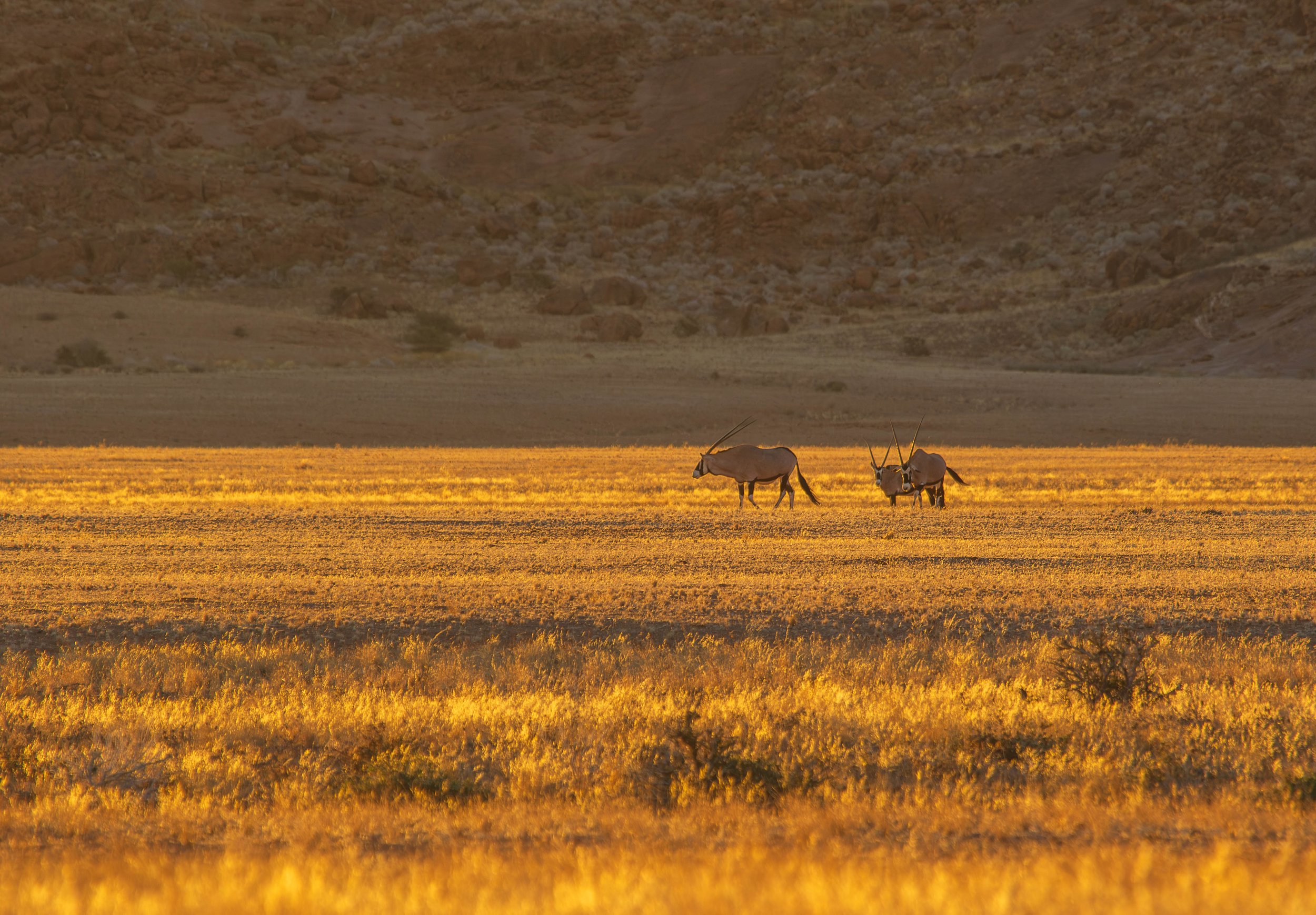
The three images taken from our honeymoon in Namibia illustrate this. The close-up zebra is clearly aware of my presence and, as the photographer, I am part of the scene. The texture of the dry ground and trees in the Dead Vlei in the middle distance is presented more as documentary, dispassionately presenting the scene. Finally, we lose most of the detail of the subject in the final picture of the iconic Onyx, replaced with the context of their surroundings and the openness of the space they occupy.
Next we’ll look at vertical position:
From above - shooting down on your subject portrays your dominance over them, with the effect that you are condescendinhg to your subject, who is diminished and can appear vulnerable.
Level - shooting level with your subject portrays senses of equality and directness – the subject is met on its own terms with dignity and mutual respect.
From below - shooting upwards towards your subject is an exaltation of them - presenting them as monumental, heroic, sometimes threatening.
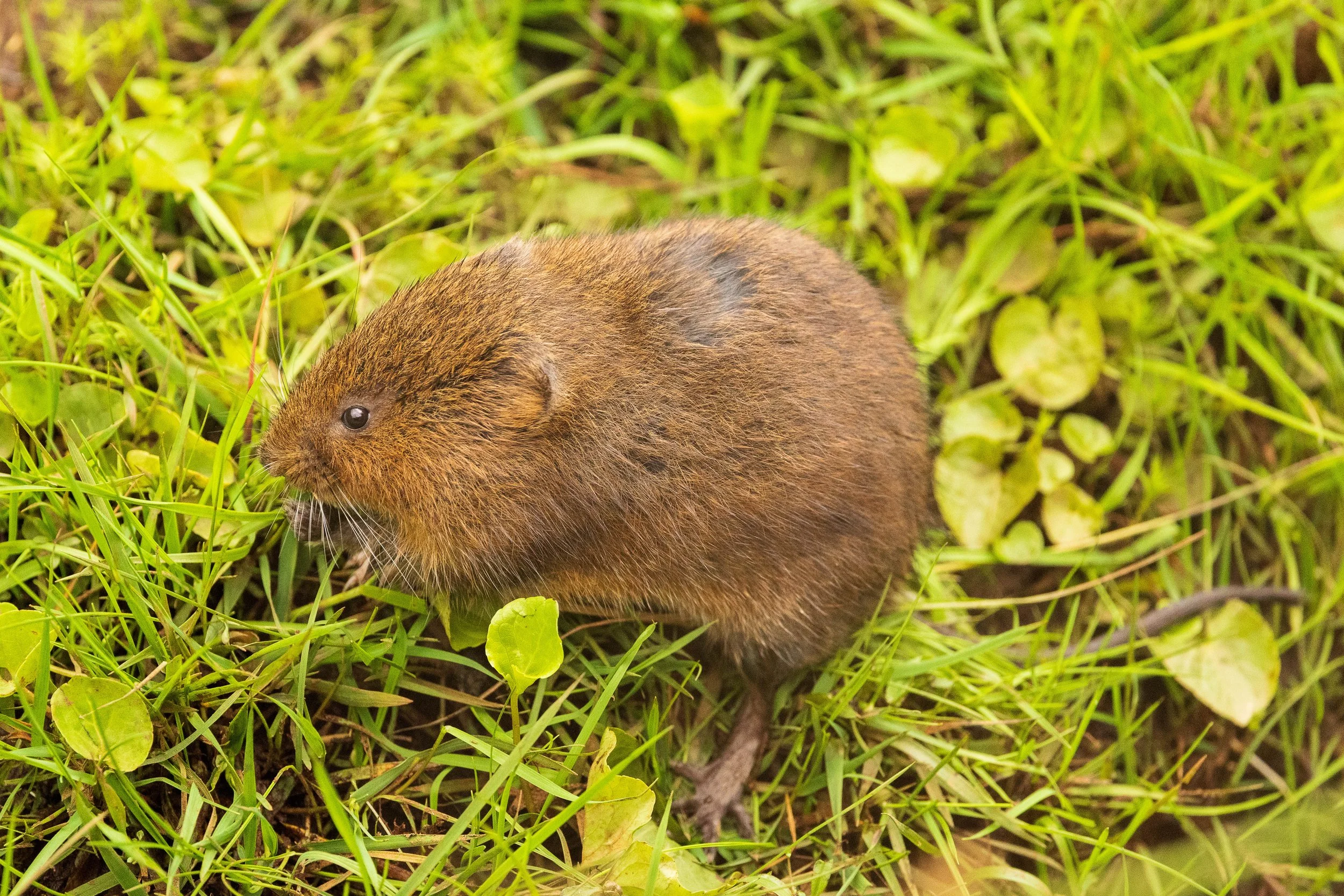
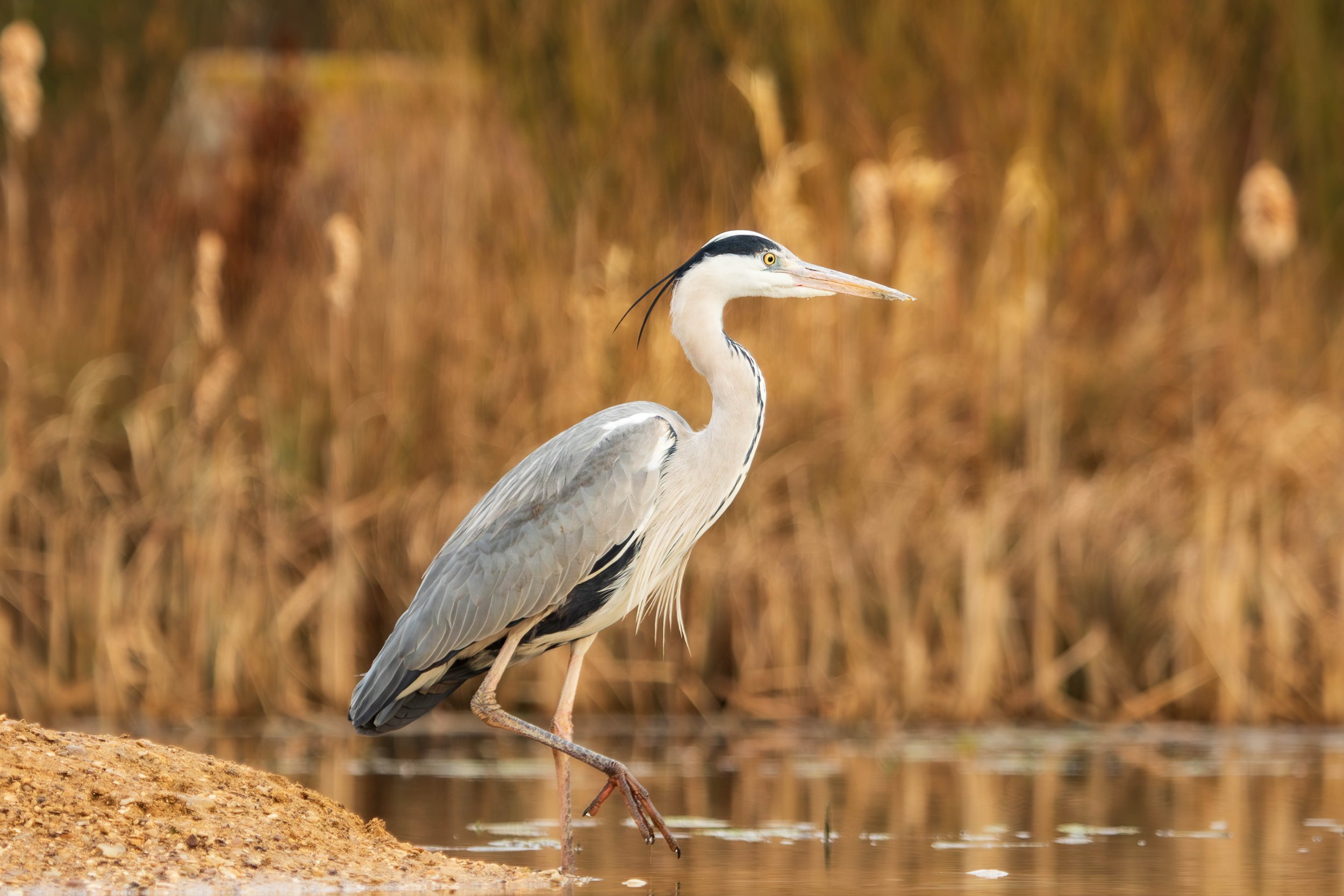
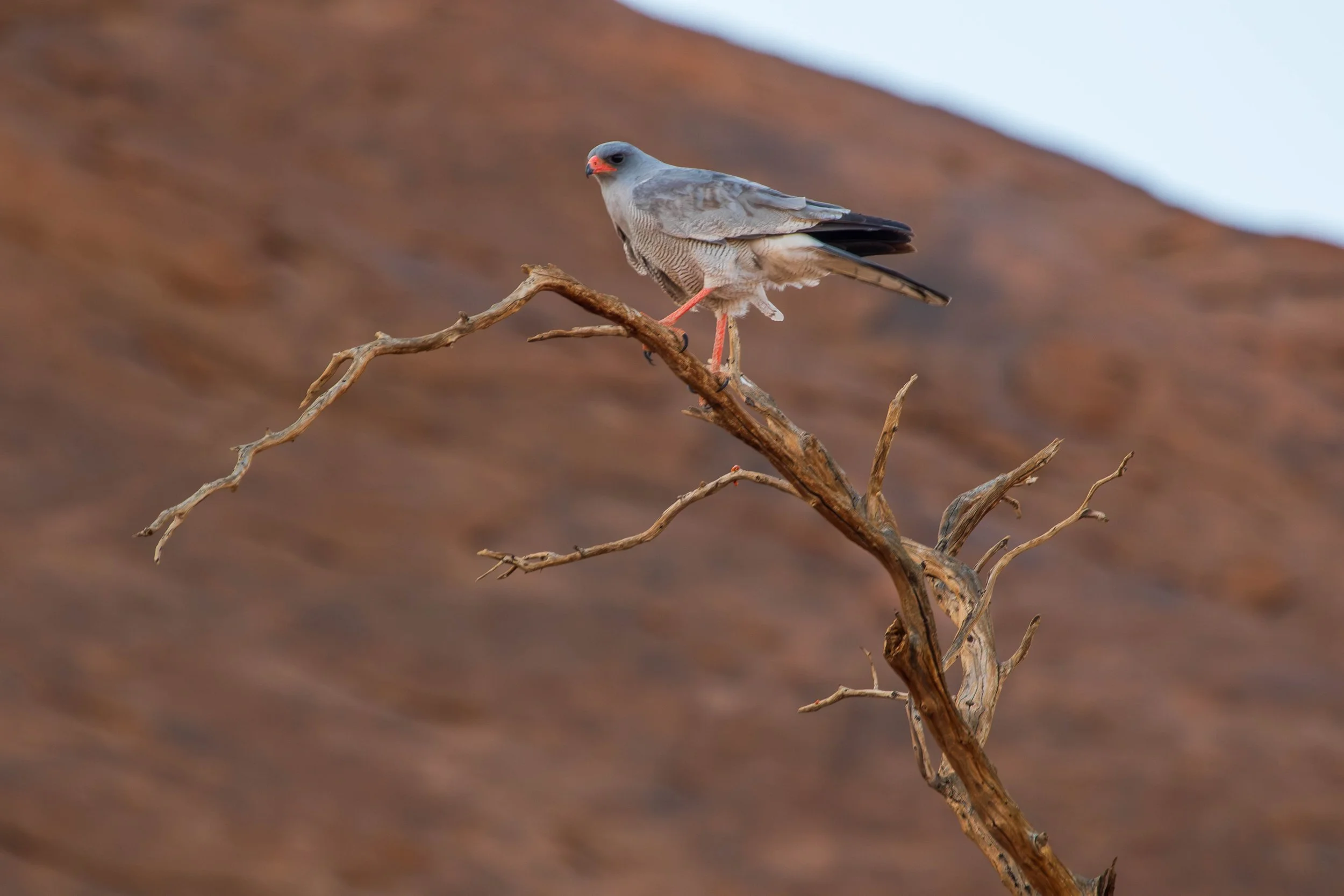
The pictures of the water vole shows the difference between execution and intention! I didn’t want to portray the vole as being diminished and vulnerable, but it is presented this way because I was standing above it shooting down. I wanted to shoot level, but that’s difficult when photographing a creature that dwells sunken in the banks of streams. I would love to get a level shot of the vole swimming towards me that would present the vole in a stronger stance like the grey heron in the middle picture. In the picture on the right, this goshawk in Namibia is presented as powerful and even has a threatening air about them.
Finally let’s look at the angle of the camera to the subject on a horizontal plane:
Head on - locked eye contact portrays direct confrontation, and an acknowledgement of the photographer by the subject - an encounter.
Behind - here the subject is moving away from the photographer, perhaps unaware of their presence or perhaps refusing to engage with them. It can create a sense of mystery. If done well it can present the viewer as following a subject whose independence is highlighted.
To the side - by swinging round on a horizontal access to approach the subject from a side angle the photographer portrays a sense of observation, lessening their impact and participation in the photograph.
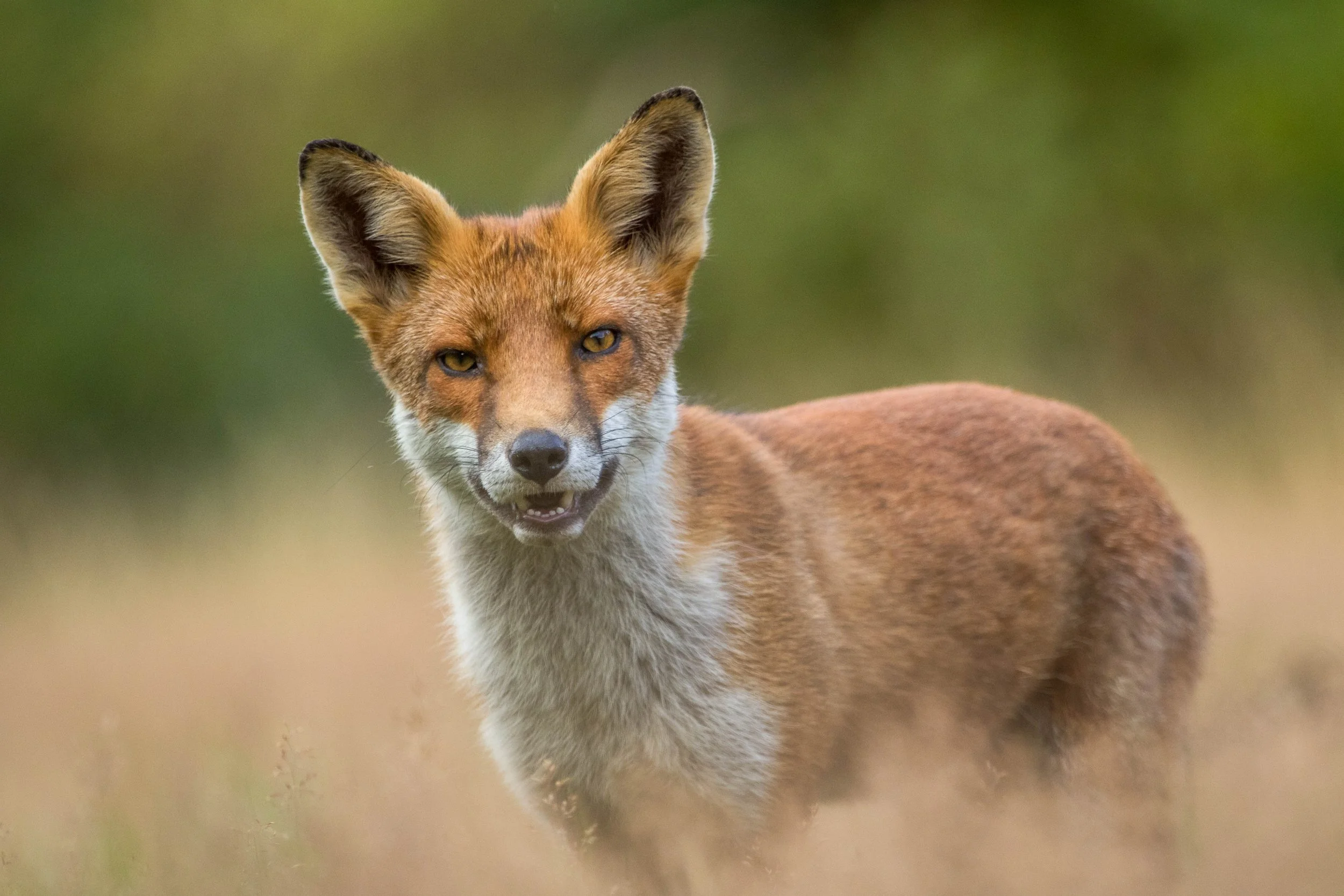
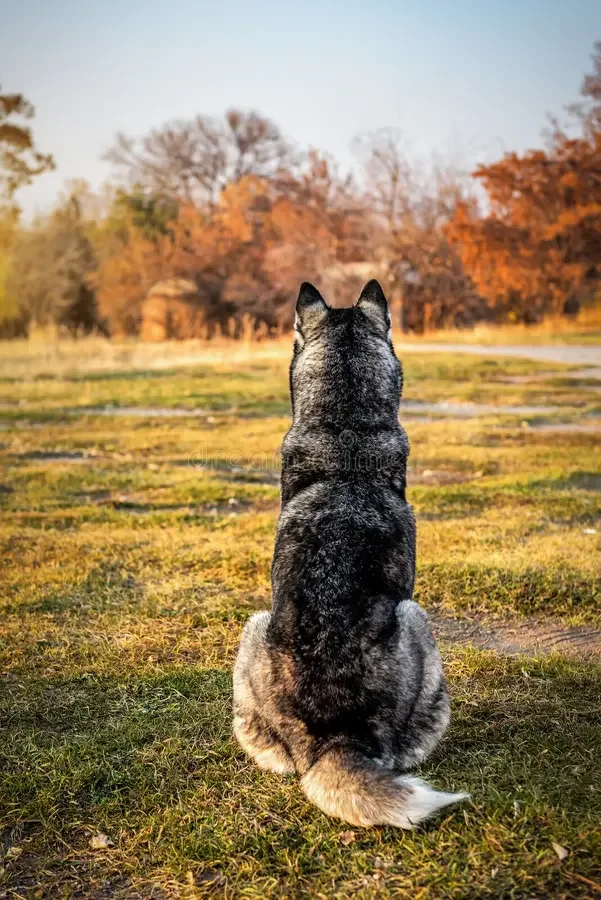

The first picture of this handsome red fox pictured in Buckinghamshire hopefully speaks for itself. A picture from behind is a relatively rare occurrence in wildlife photography. It’s quite easy to get a picture from behind your subject, particularly if you’ve accidentally startled your intended subject, but it’s rarely a picture that you end up keeping. A picture from behind could work if what the subject was looking at was an interesting place the subject was heading to and the viewer could almost picture themself following the animal to their destination. I have seen this work much better with travel photography with human subjects, particularly in religious or spiritual settings. In this final picture, the little owl pictured side-on gives a sense of being observed, where we wonder what his or her next move will be.
Hopefully this serves as a useful reminder to be aware of and be intentional about your position as a photographer relative to the subject, and consider whether the feeling your adopted position will create for the viewer is the feeling you intend and a feeling that suits the subject. Please do comment below if you have thoughts, additions or anything to contest about what i’ve set out here - and do check out Richard Bernabe’s podcast if you’re a keen photographer or explorer.