Brock of the Peaks: Badgers in the Peak District
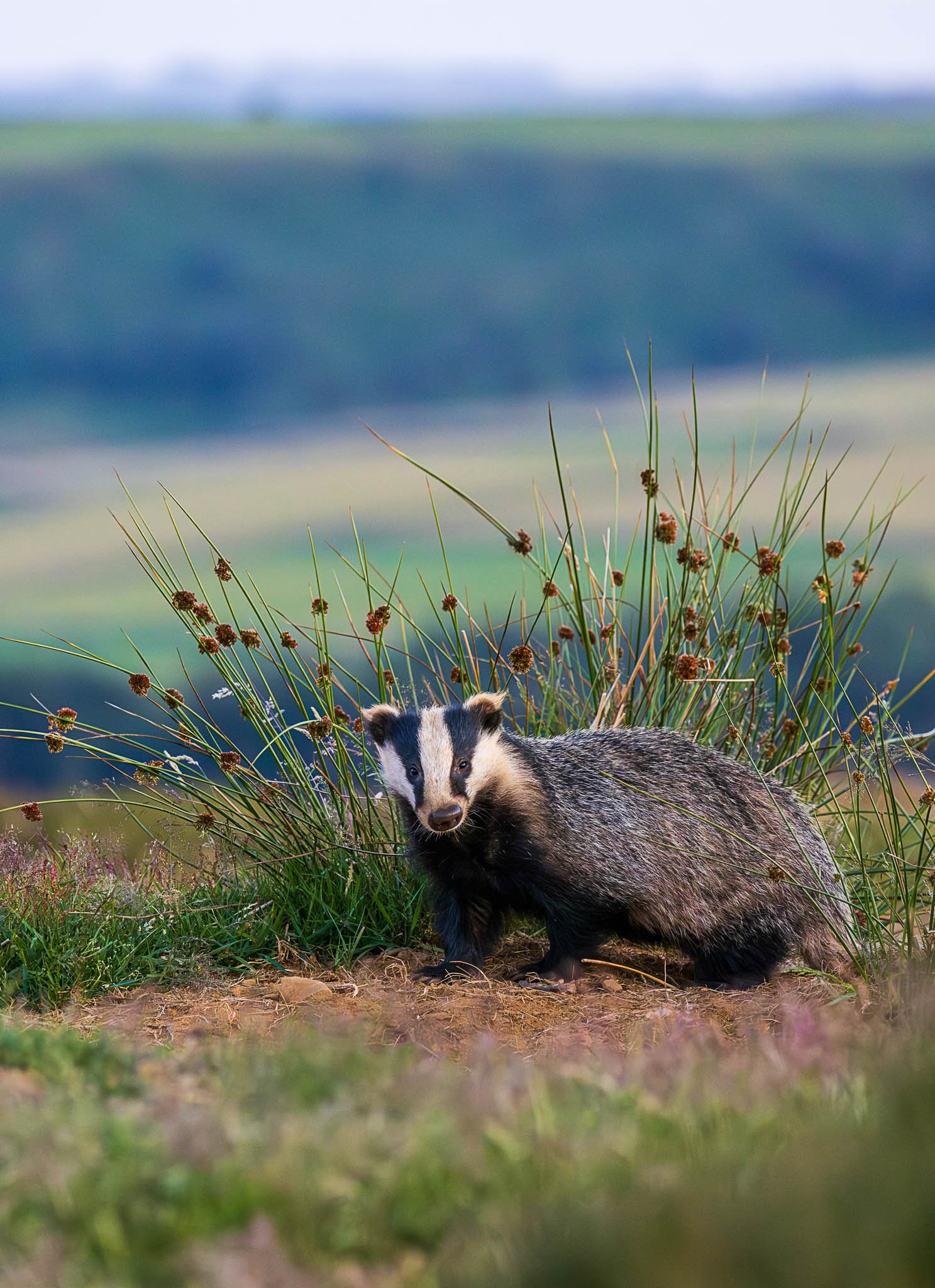
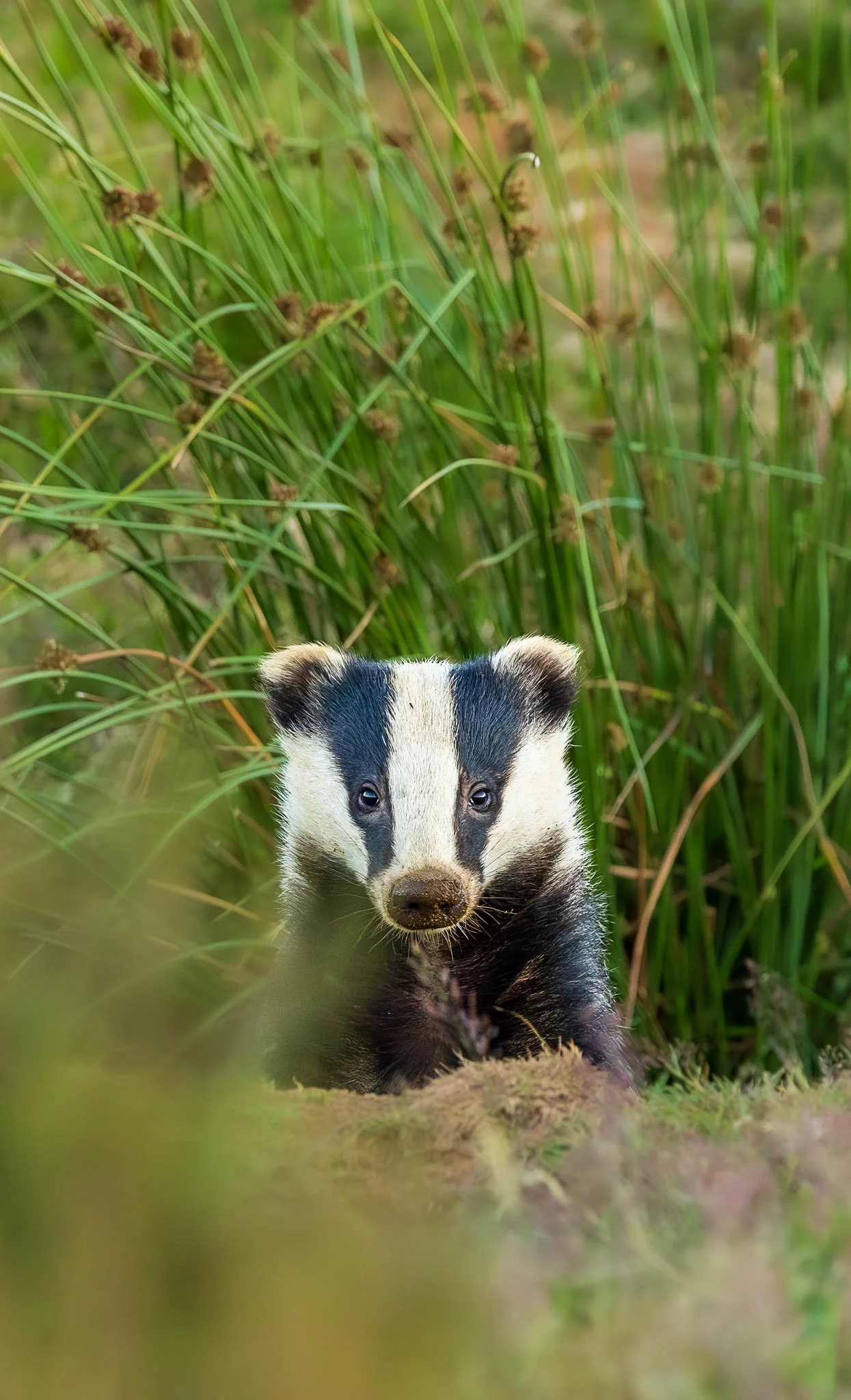
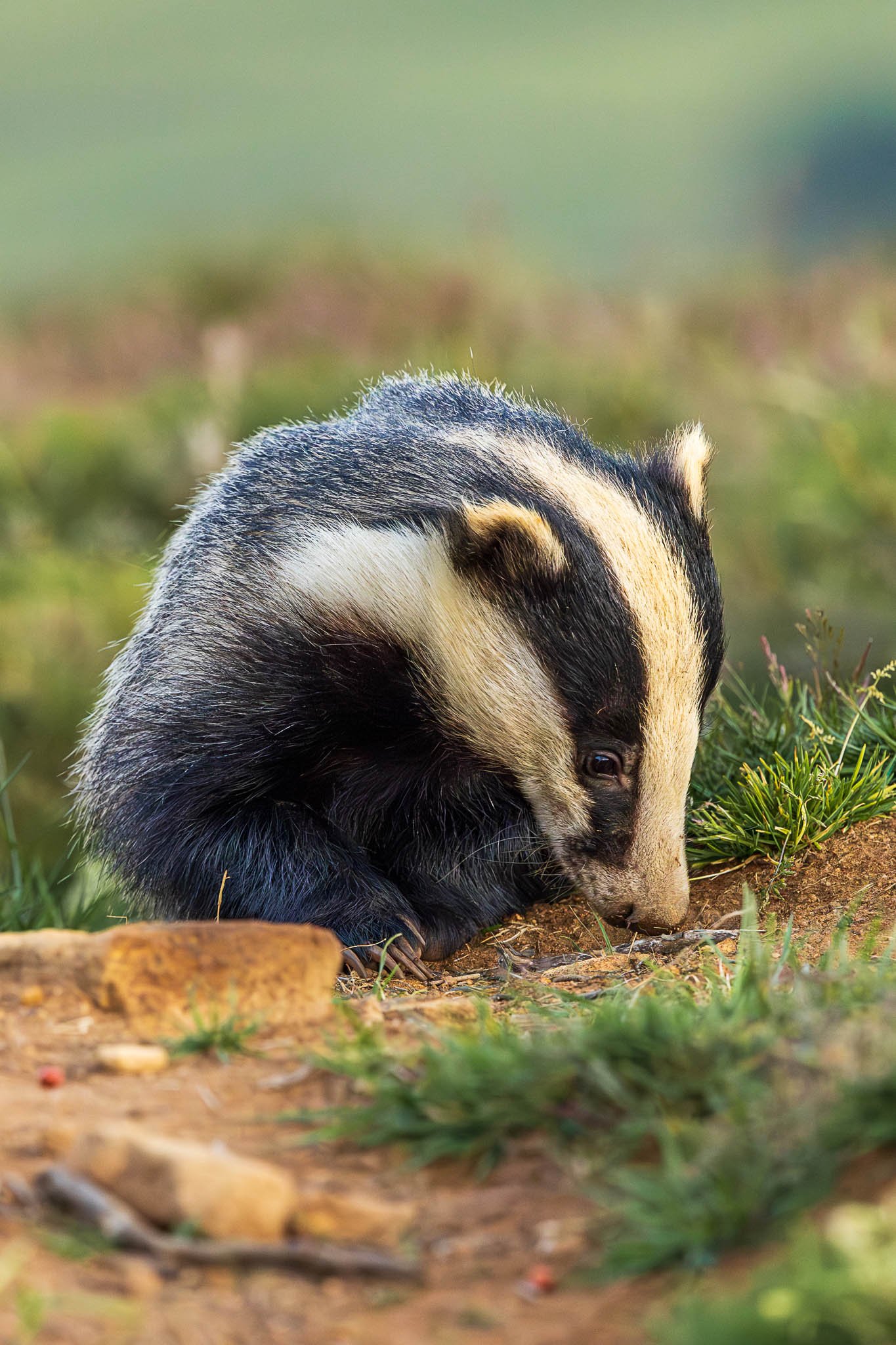
It truly is a privilege to see a badger family wake up and go about the start of their day. First, a parent sniffing the air at the edge of the sett to get a sense of what’s to greet them outside, then a few tentative steps outside to forage for worms. A first follower will eventually be emboldened to join them and perhaps even roll in the dry ground to scratch any itches or remove any unwanted parasites. Before too long there are four or five badgers orbiting the sett, sometimes travelling at speed and knocking into one another as they get more active in gathering their breakfast.
Their day ahead was our sunset. I joined Francis Taylor on one of his excellent workshops and we positioned ourselves not far downwind from the sett and settled in to try to remain as still and quiet as possible to have the best chance to capture these legends of the British countryside in action.
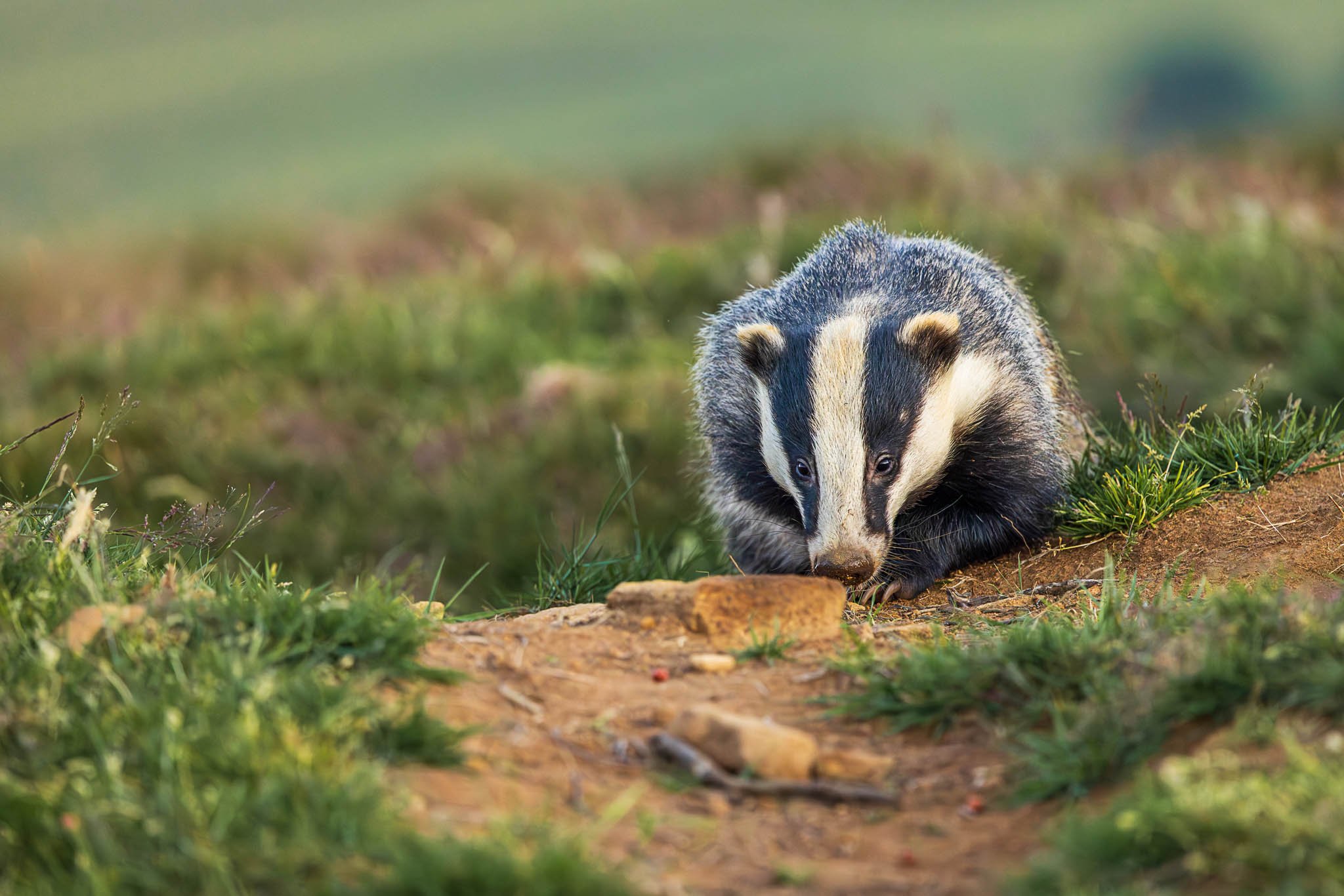
This was my second badger workshop. It had surprised me first time around how close you could be to the sett, but remain undetected by the badgers who rely far more on their senses of hearing and smell than their eyesight which is relatively poor. First time around I wasn’t as quiet as I hoped to be, mainly due to a savage attack of hay fever which left me to sneezing at inopportune moments, not conducive to badger observation.
About the European Badger
Archaeological evidence suggests our subject (meles meles) has been a staple of the British countryside since the last Ice Age, making them one one of the oldest continuously surviving native mammals on record.
The word "badger" however is relatively young. It only entered common English usage in the sixteenth century, where observers noted that the animal's boldly striped face resembled the badge or sash worn by household servants to denote who they worked for. Or perhaps it came from the French word ‘becheur’, meaning digger. Far older is their original name ‘brock’, which traces its lineage to *brokkos* in Proto-Brythonic — the ancient language group of western Britain — evolving into *brocc* in Old Irish and *broch* in Welsh. In the place names of England, you’ll find brock featuring commonly: Brockwell, Brockholes,
Culture, Folklore, and the Spirit World
The badger has long held cultural and spiritual fascination as a creature who, whilst not uncommon, was rarely seen and lived in an underground world we cannot follow. Mythology across the British Isles frequently places the badger as a guide taking us from one realm to another.
In Celtic tradition, the badger was associated with wisdom, protection, and the earth itself. The goddess Brigantia, whose festival of Imbolc falls at the beginning of February, claimed the badger as her sacred animal totem — a symbol of new life stirring beneath the frozen ground, the first emergence from winter darkness. In Welsh mythology, a badger appears as a companion and guide in the otherworldly narrative of Pwyll's courtship of Rhiannon, navigating the space between the mortal and spirit realms. Irish mythology takes this further, casting badgers as shapeshifters: kinsmen of the legendary figure Tadg, able to move between animal and human form.
Folk superstitions let to demand for various badger parts - a tuft of hair worn in a bag made from black cat skin to ward off witchcraft, teeth as good luck charms for gamblers, while the penis bone of a badger was sometimes given as a wedding gift to encourage fertility.
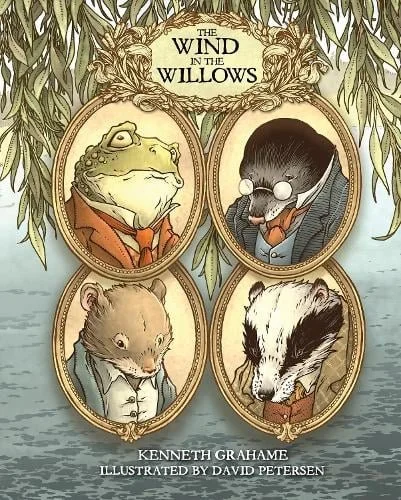
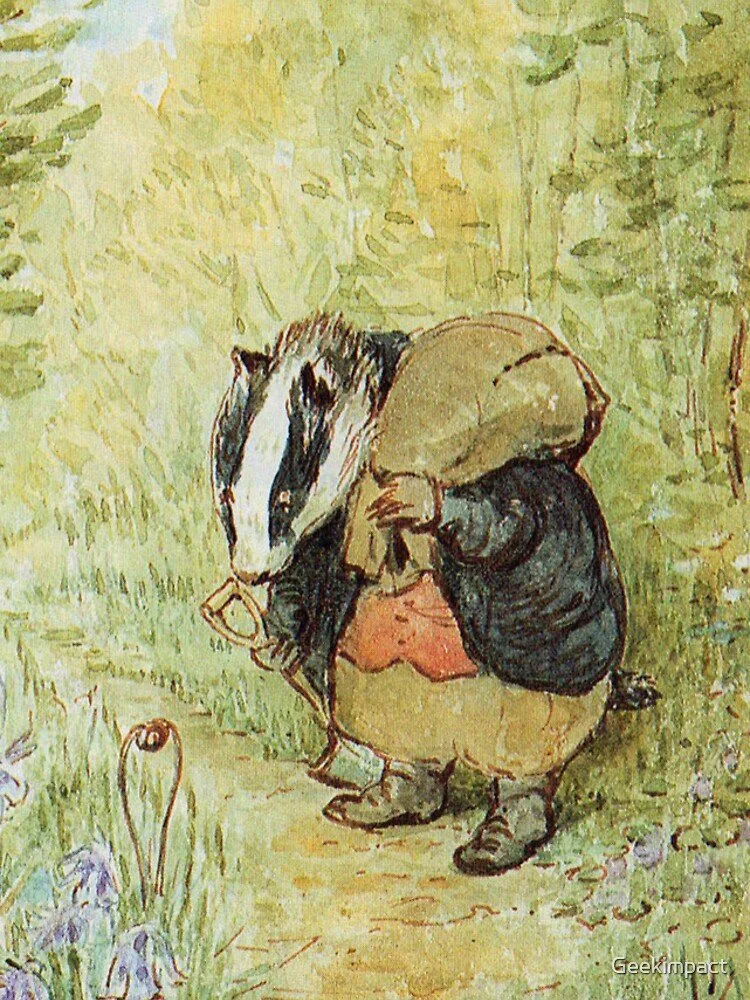
My earliest and most treasured encounter with badgers was through Kenneth Grahame's Badger in ‘The Wind in the Willows.’ Badger is the sensible and calm dispenser of wisdom— an ancient and solitary keeper of deep knowledge. Beatrix Potter's Tommy Brock, on the other hand, offered a darker counterpoint: cunning, dangerous and untrustworthy. With echoes of ancient cultural associations, these two portrayals allow you to lean one way or another in your view of the badger’s identity.
Bovine Tuberculosis
These contrasts echo in the badger’s much contested role as a vector of bovine tuberculosis. Bovine TB is a chronic and costly disease that continues to affect cattle herds across England, devastating farming families and generating years of fractious political debate. Different views on the extent to which badgers spread TB, and what the best response is, has led to different practice across the UK.
The Derbyshire Wildlife Trust launched the UK's largest badger vaccination programme in 2014, operating across multiple sites within the Peak District National Park, partnering with the National Trust and a network of volunteers who trap, vaccinate, and release badgers. The vaccine does not cure infection but can prevent badgers from developing the disease, reducing the likelihood of transmission to cattle. The Trust has argued that vaccination is not only more humane than culling but considerably more cost-effective — estimated at around sixty times cheaper per badger than the licensed culling operations rolled out across much of southwest England.
The badger, already persecuted for centuries — first through badger-baiting (outlawed in 1835 but still occasionally practised illegally) and later through gassing operations in the 1960s and 1970s — remains one of the most legally protected yet most persecuted mammals in Britain.
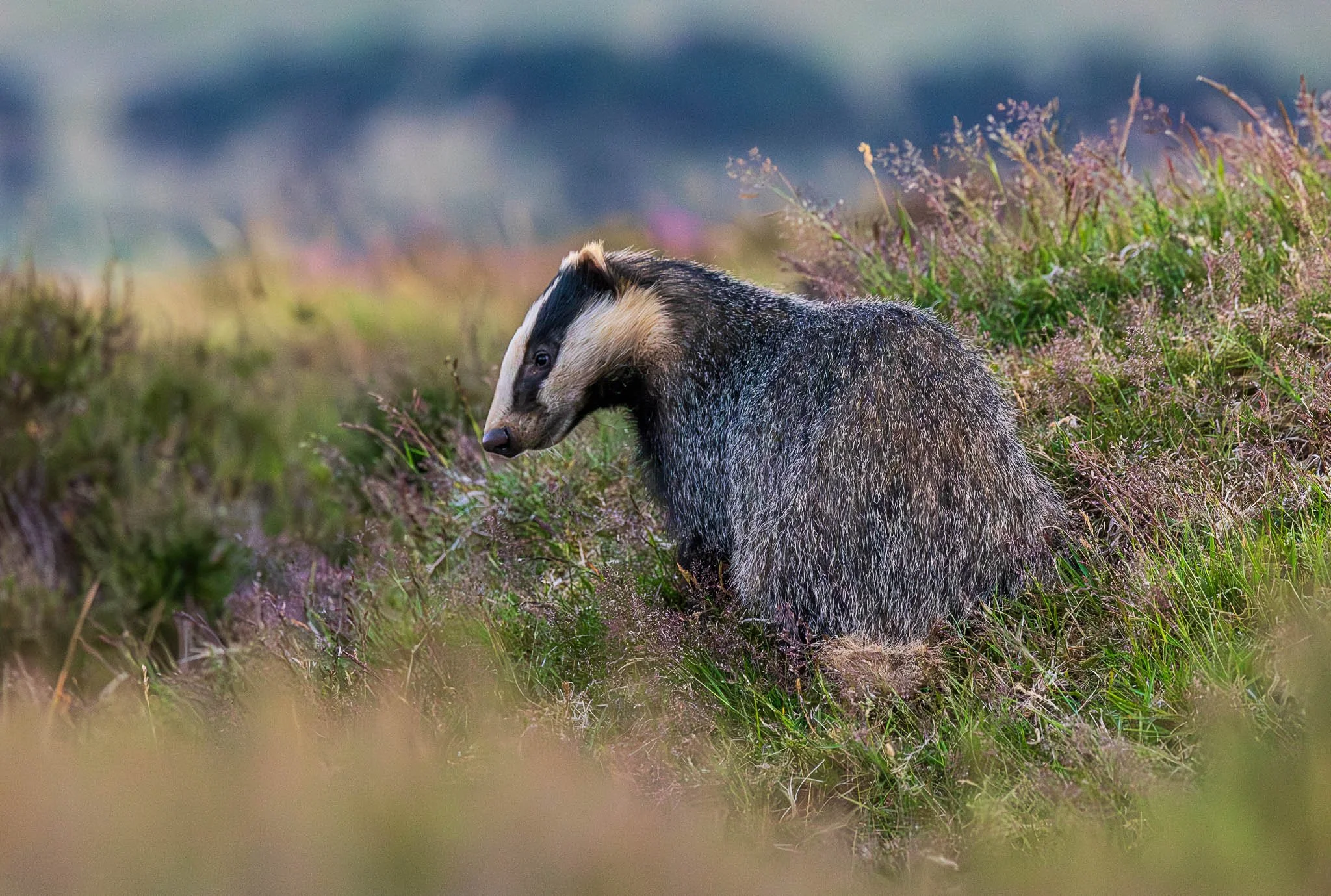
Despite this, as it has for aeons prior, the badger persists. Broad paw-scratches on old ash trees, distinctive black-and-white hairs snagged on wire fences, the spoil heaps of sandy soil that mark a working sett on a south-facing bank are all more commonly seen than the badger itself, but remind us of the presence of this iconic species.
The badger is not simply a conservation issue or a farming problem. It is part of the deep tissue of this landscape — present in its folk memory and woven into its old names.