The Lynx of La Mancha
My usual subjects are UK wildlife species, but I’ve got an ambitious bucket list of animals across Europe I’d like to travel to and try to photograph. This includes the musk oxen of Norway, bears and wolverines in Finland and the elusive Iberian lynx (lynx pardinus).
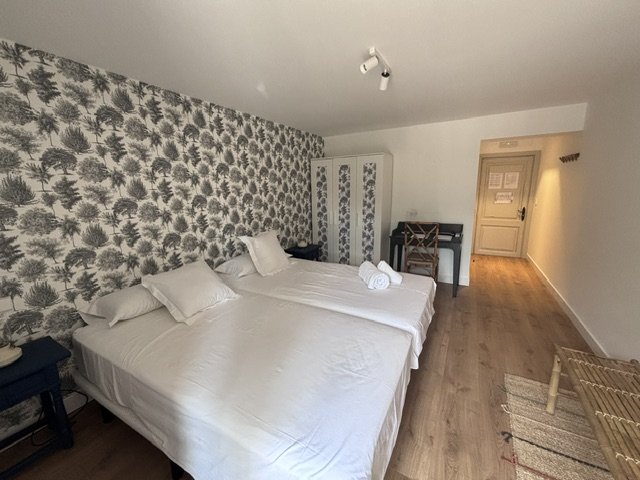
I had the chance to tick off the Iberian lynx as I booked in to spend a few days at Peñalajo, a couple of hours drive south of Madrid. Peñalajo is a private estate famous for producing olive oil and cheese and perhaps now even more famous for its family of resident Iberian lynx. I stayed on site in their Agriturismo hotel , which was very accessible and comfortable.
This was mid-July in Castilla La Mancha, Don Quixote country, and it was hot. We took a break from lynx spotting for about six hours each day to get out of the hot hides and find somewhere for a cool siesta. I would usually head back to the hotel and watch the swallows coming in an out of the garages with food for their young before sleeping through the heat of the day.
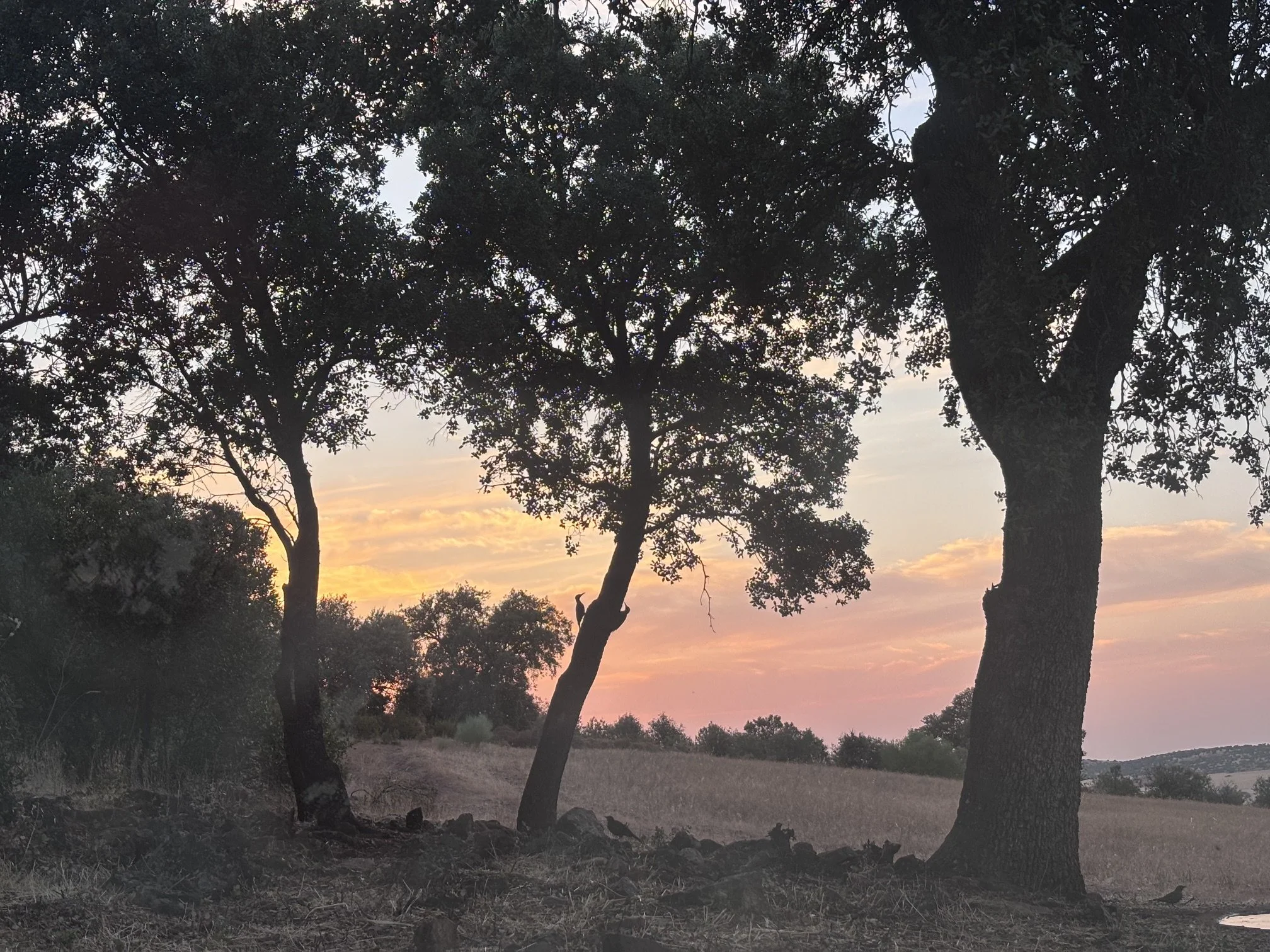
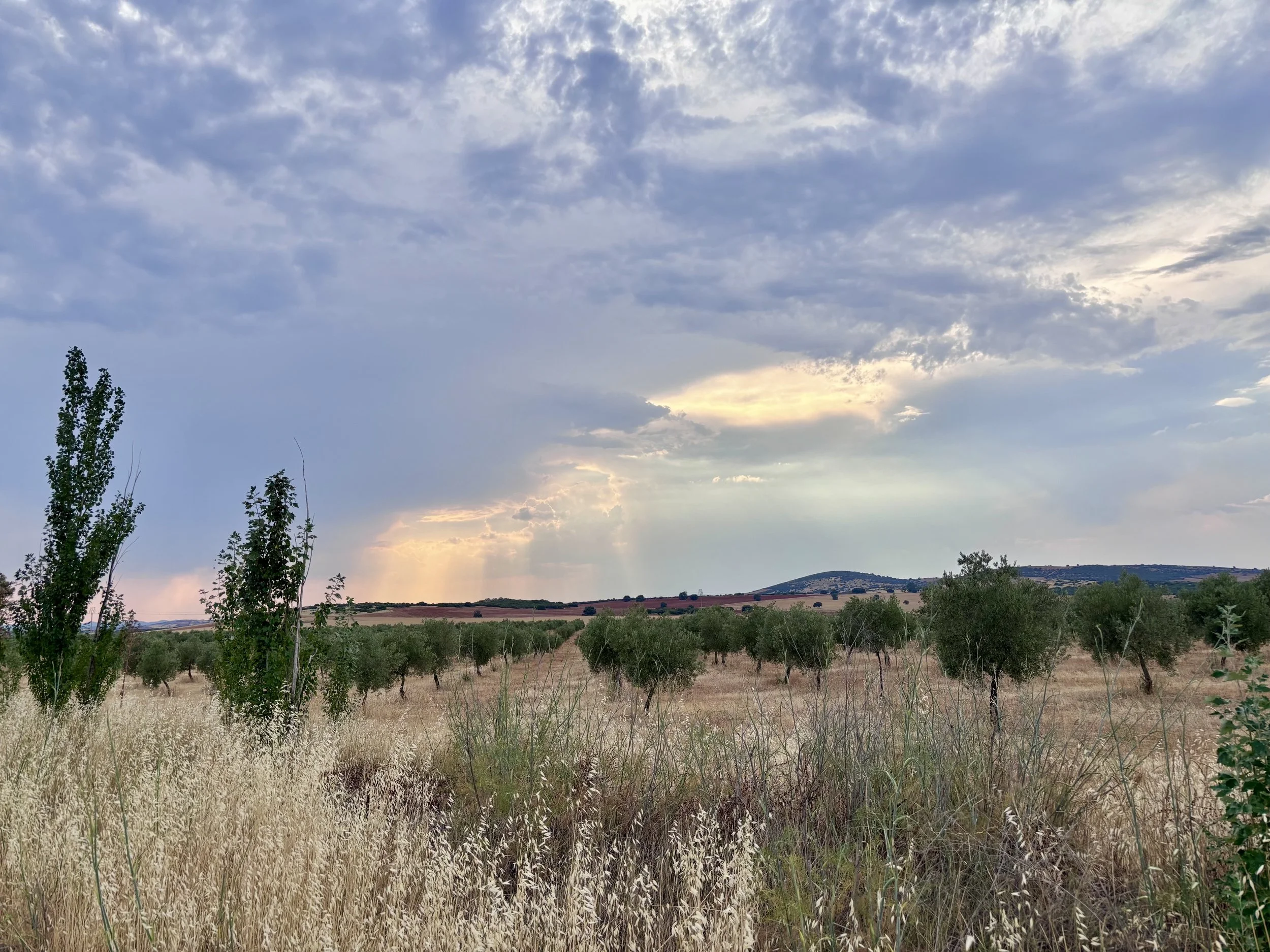
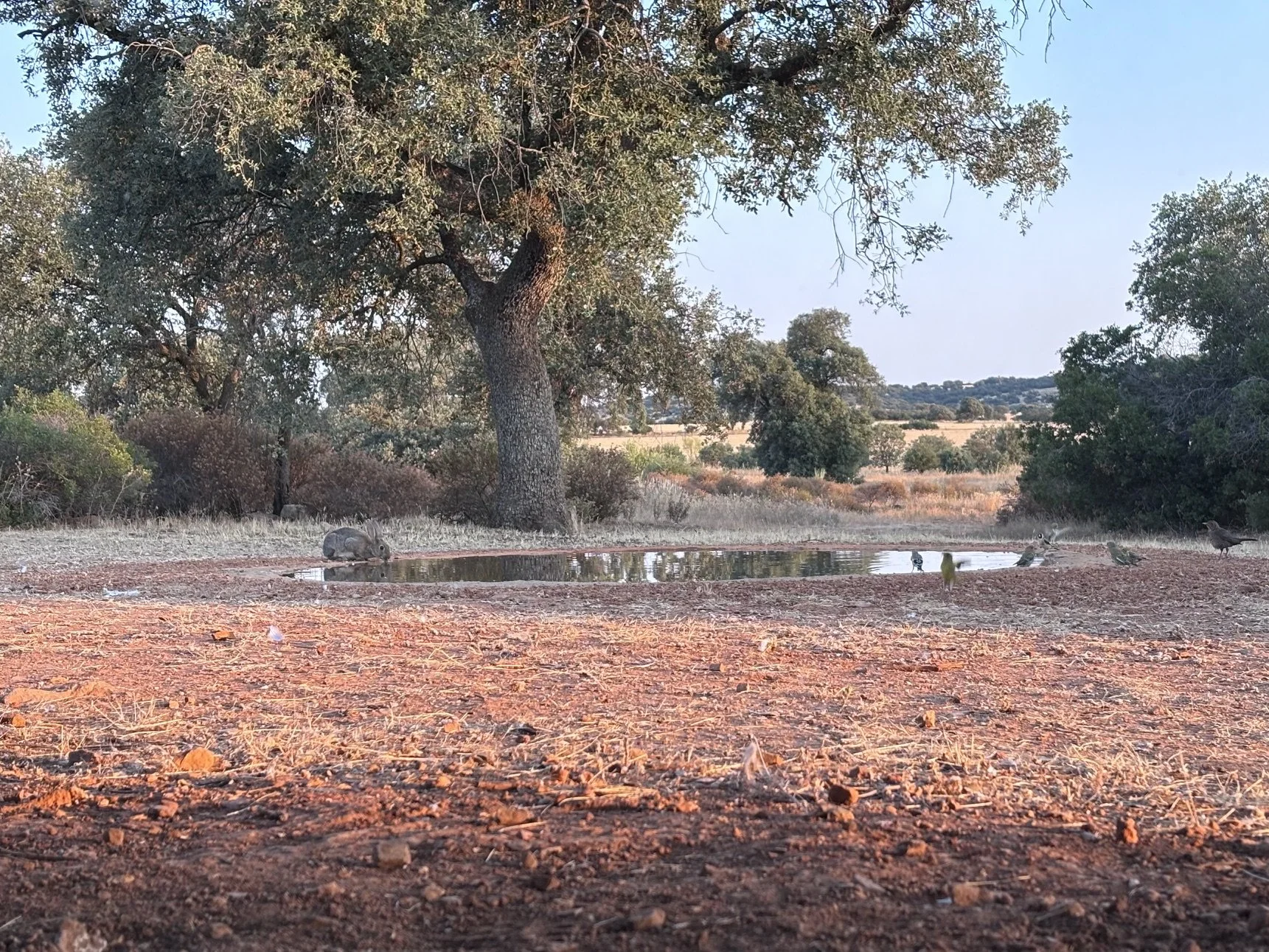
The first day was spent at a smaller hide close to a watering hole. Over two sessions of about 5 hours each we saw hoopoe, partridges and an abundance of rabbits, but no lynx. The Iberian Lynx are highly specialised to hunt in the Mediterranean scrub and open woodland for rabbits and rabbits alone, unlike their Eurasian cousins who will take deer and game-birds and a wide range of other creatures they can get their claws into. Temperatures quickly reached 35 Celsius and above and so it was a reasonable bet that the wildlife of the estate would need to make a trip to the waterhole at some point. They just had their cubs though at this time of year and some may be staying up in higher, cooler areas of the estate watching out for their young. Maybe I would have more luck tomorrow.
And I did.
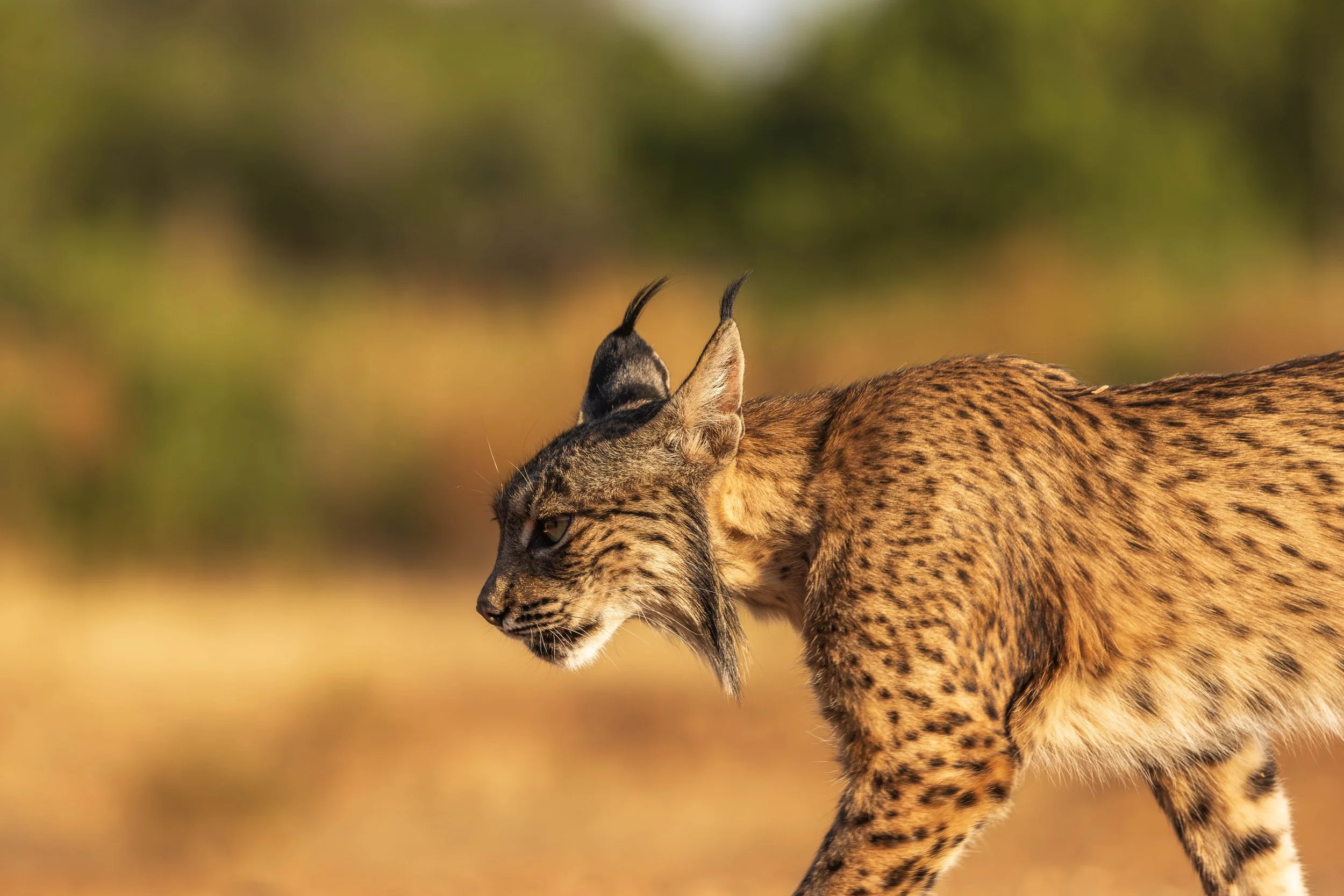
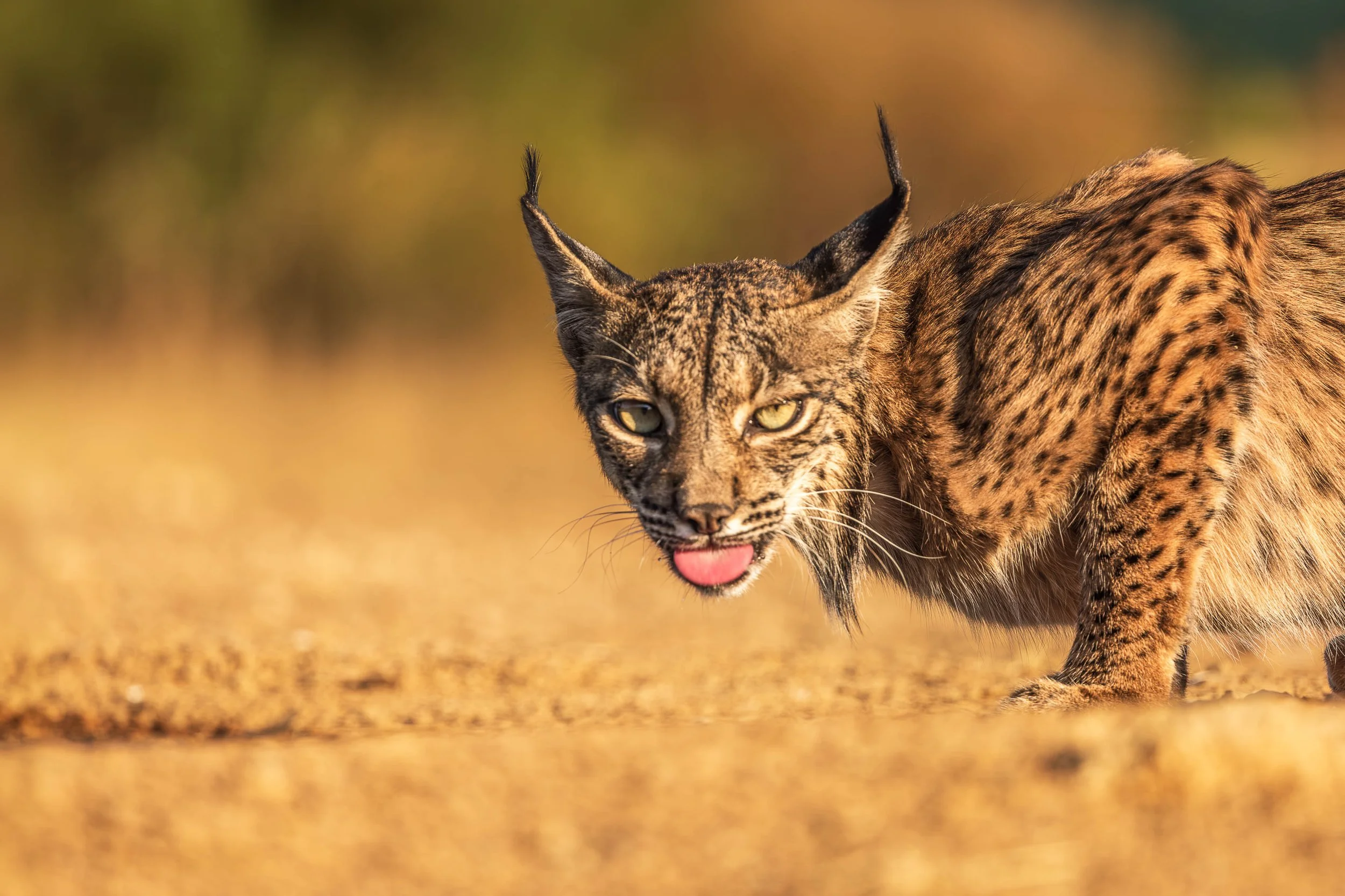
Early the next morning, in a larger hide on a different part of the estate we had visits from a mischief of magpies and an inquisitive pheasant before a young female Lynx arrived mid-morning to get a quick drink at the watering hall. I’ll never forget the change in atmosphere and sudden silent but electric vibrance that filled the hide as the lynx confidently swaggered her way to the waterhole with the attending birds and rabbits affording her a wide berth. The atmosphere only intensified as she fixed our hide and its occupants with a direct glare that brought to mind the old European idiom for having exceptionally sharp sight — “tener ojos de lince”, (to have a lynx’s eyes), which descends from the Greek myth of Lynceus, a hero whose vision could pierce solid rock. Many snaps and many slurps later she silently padded her way onwards to continue her day , not to be seen by us again.
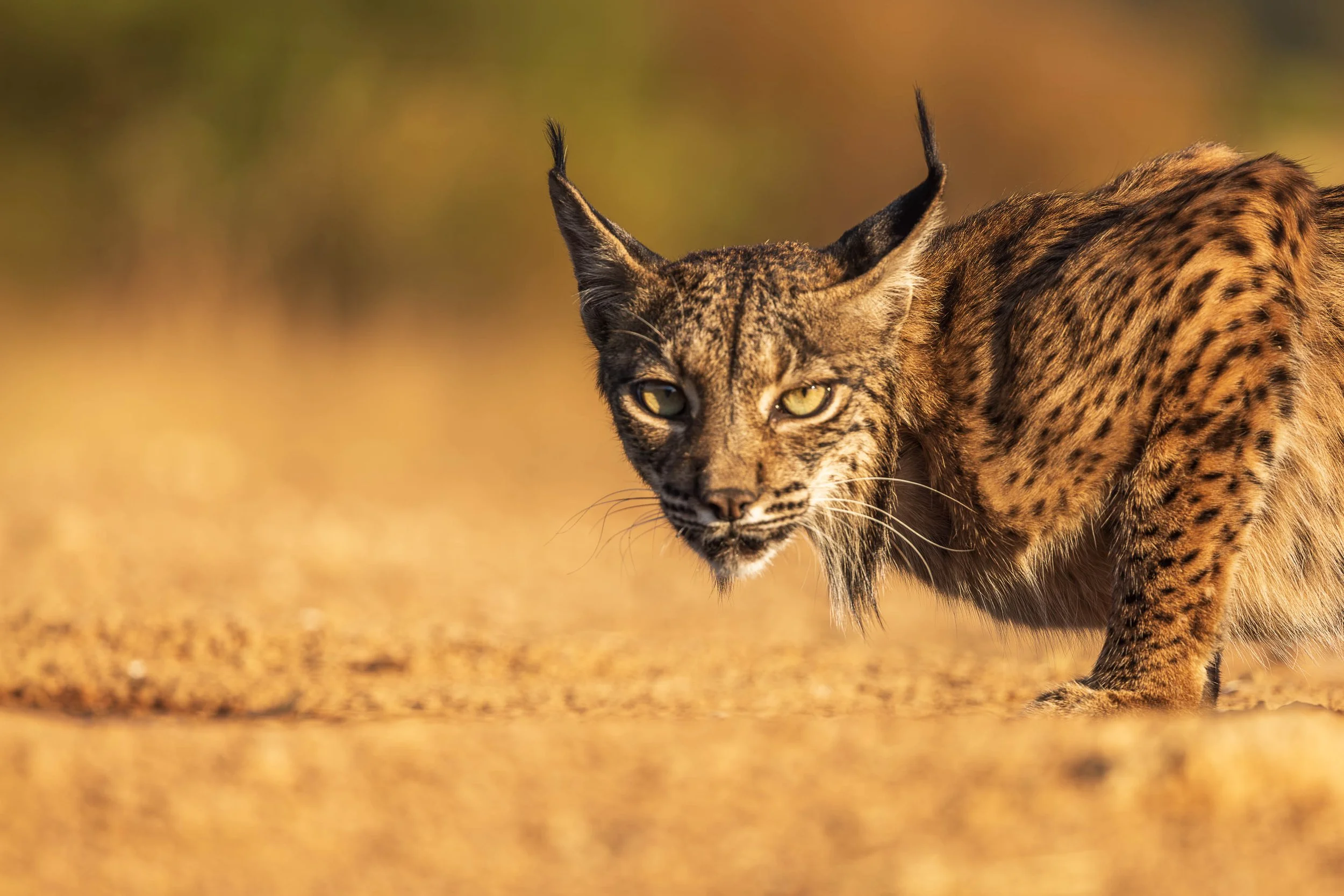
Tener Ojos De Lince
Over the remains of the day and the next morning there were no more lynx sightings for me. I think this was quite unlucky as there were often sightings at different water holes while I was stationed at the wrong one. It would have been wonderful to have a chance to photograph another visit, but one visit was infinitely better than none.
Lynxes have not always been loved by the Spanish public and have had a troubled start to the 21st century. In the rural Spain of gamekeepers and livestock owners, the lynx was frequently treated as vermin — a predator to be trapped and shot alongside wolves. To add to their troubles myxomatosis and later rabbit haemorrhagic disease swept through Iberian rabbit populations, and nearly took the lynx down with them. Coordinated breeding and reintroduction programmes in recent years have moved lynx numbers from fewer than 100 individuals in 2002 to over 2,600 across Spain and Portugal in 2025, leading to its reclassification by the IUCN from Endangered to Vulnerable in 2024.
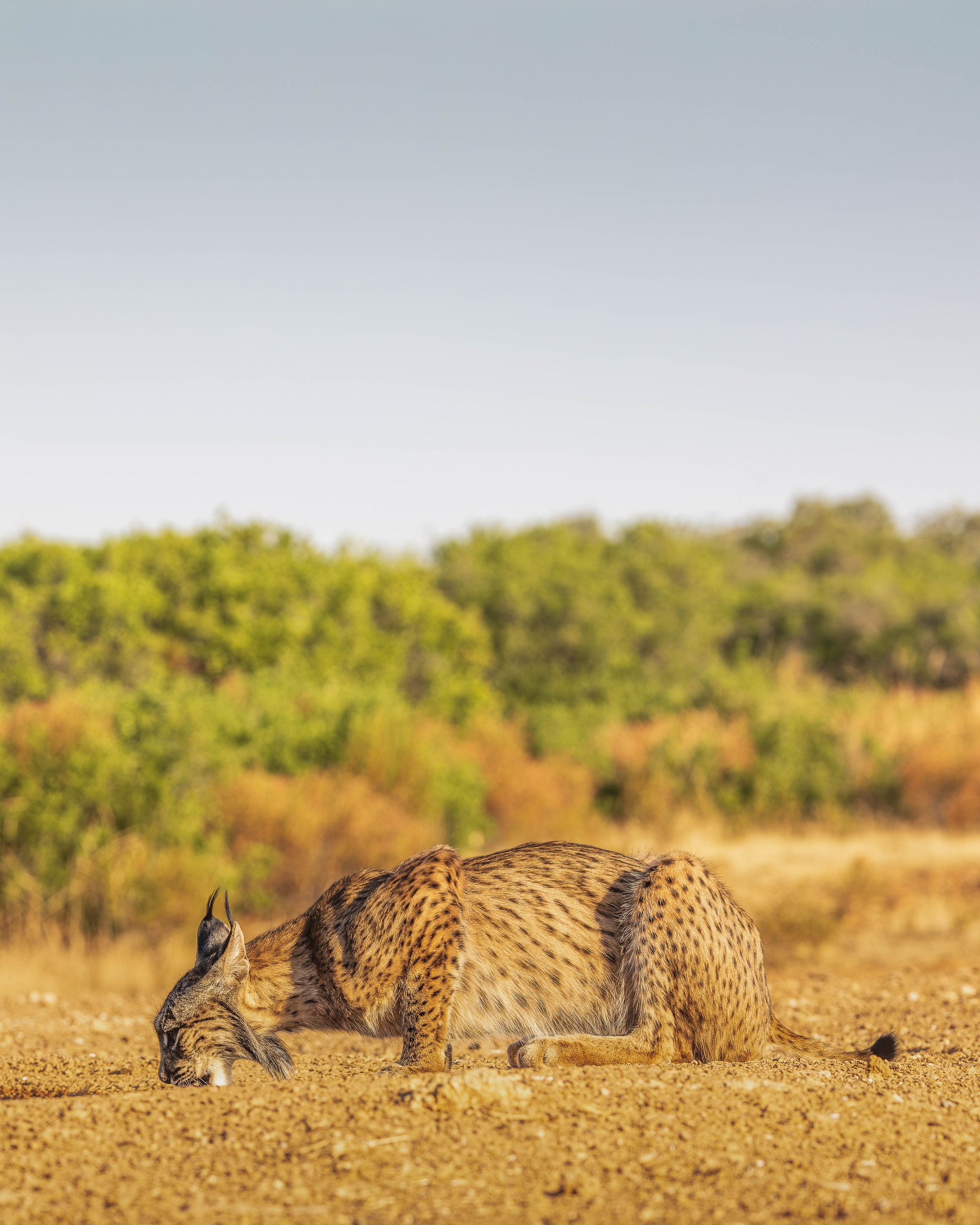
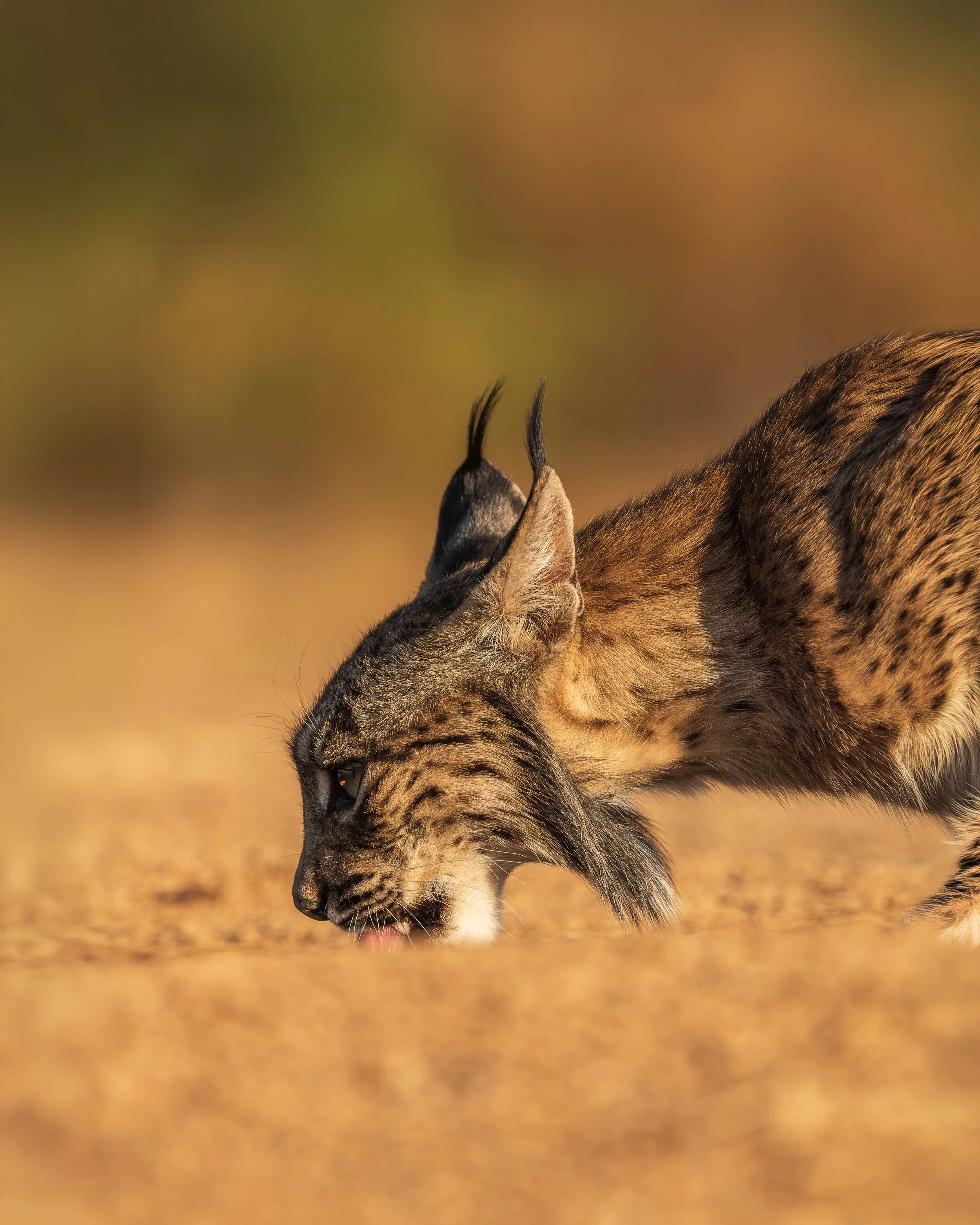
A Lynx sighting on its own would have made this trip worthwhile, however I also was fortunate enough to see a stunning range of birds we never or very rarely see in the UK. These include the characterful green woodpecker, the crested hoopoe, the striking golden oriole and the colourful bee eater, who wouldn’t come close enough for a good picture unfortunately.
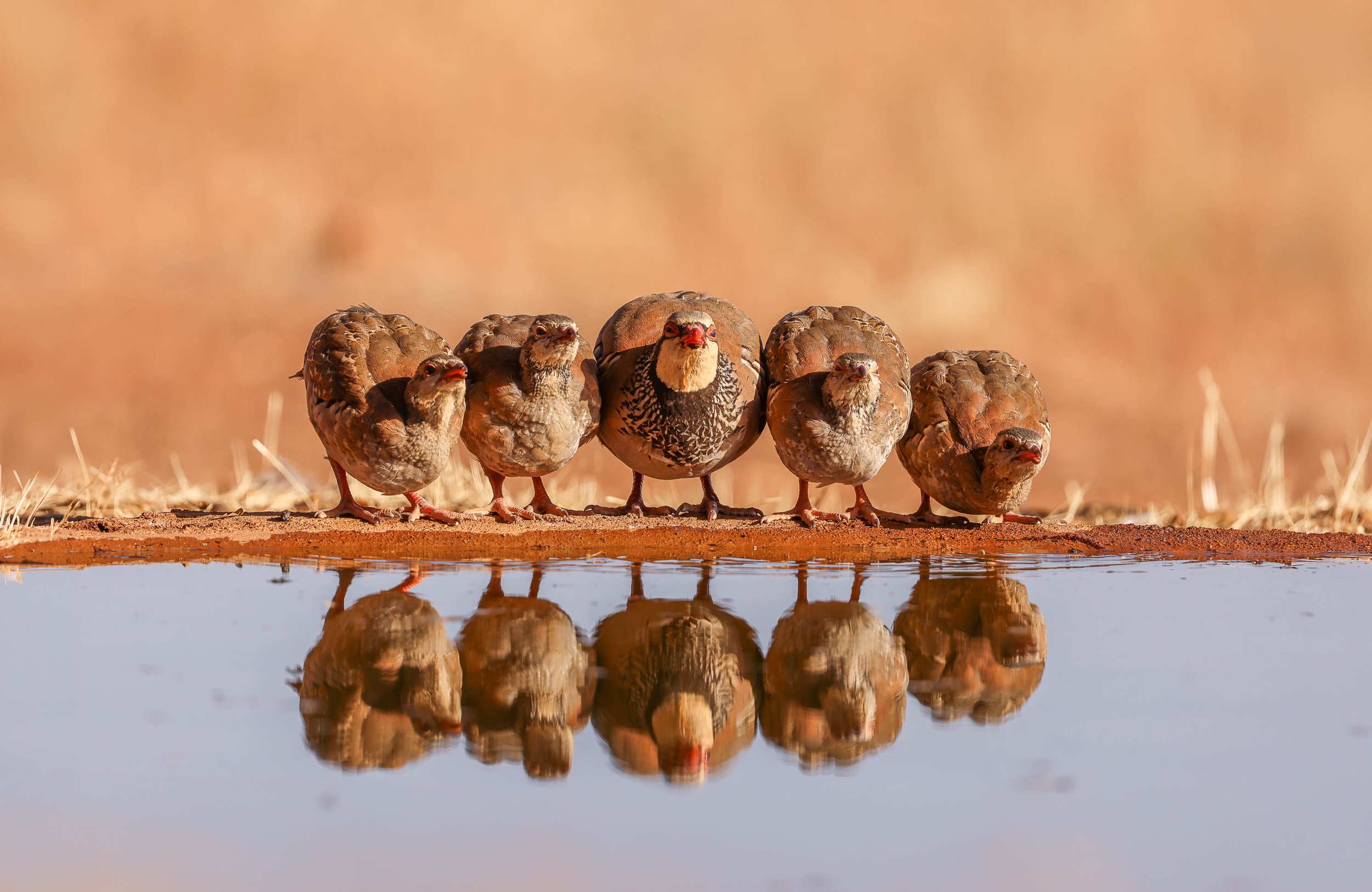
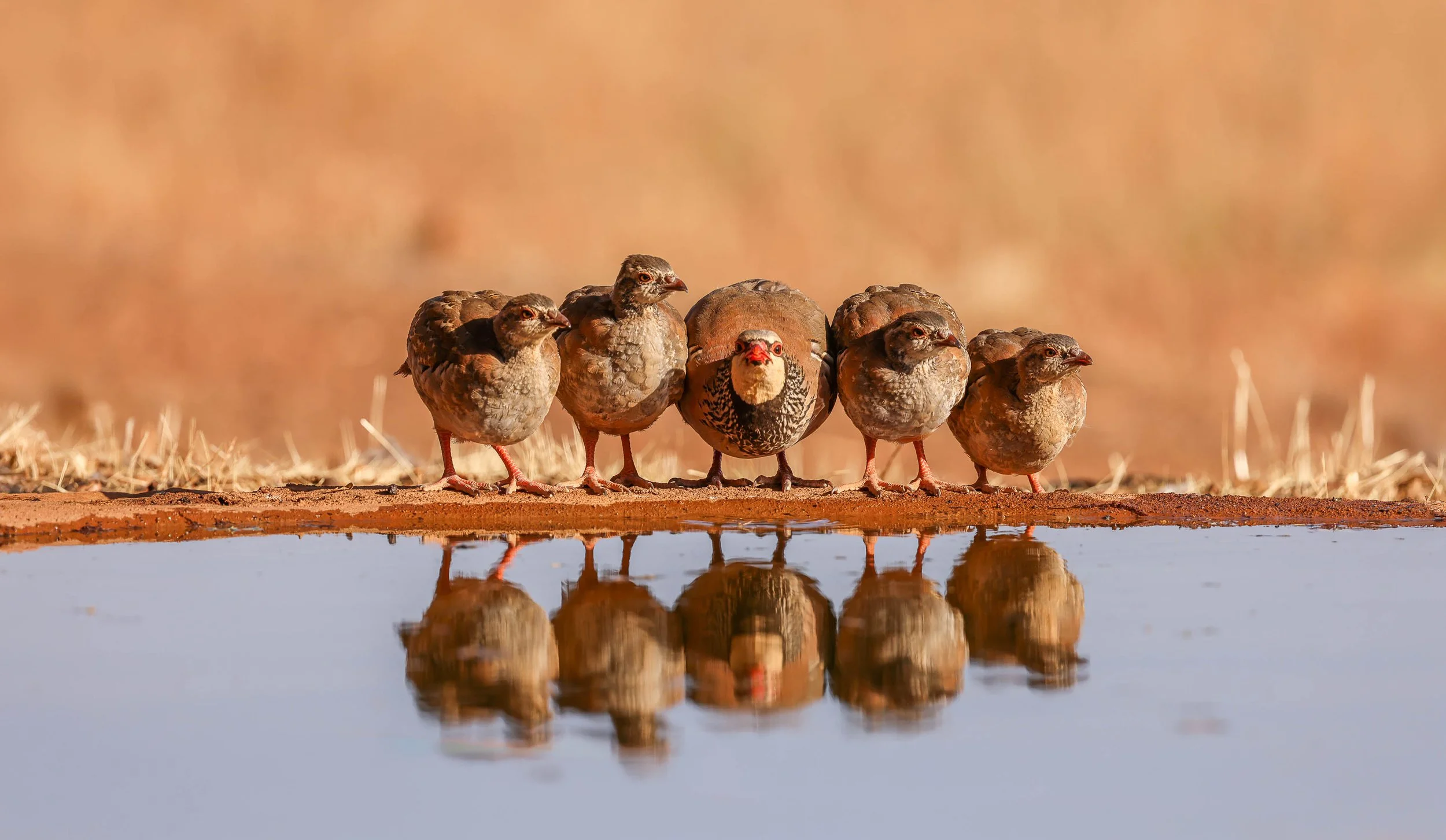
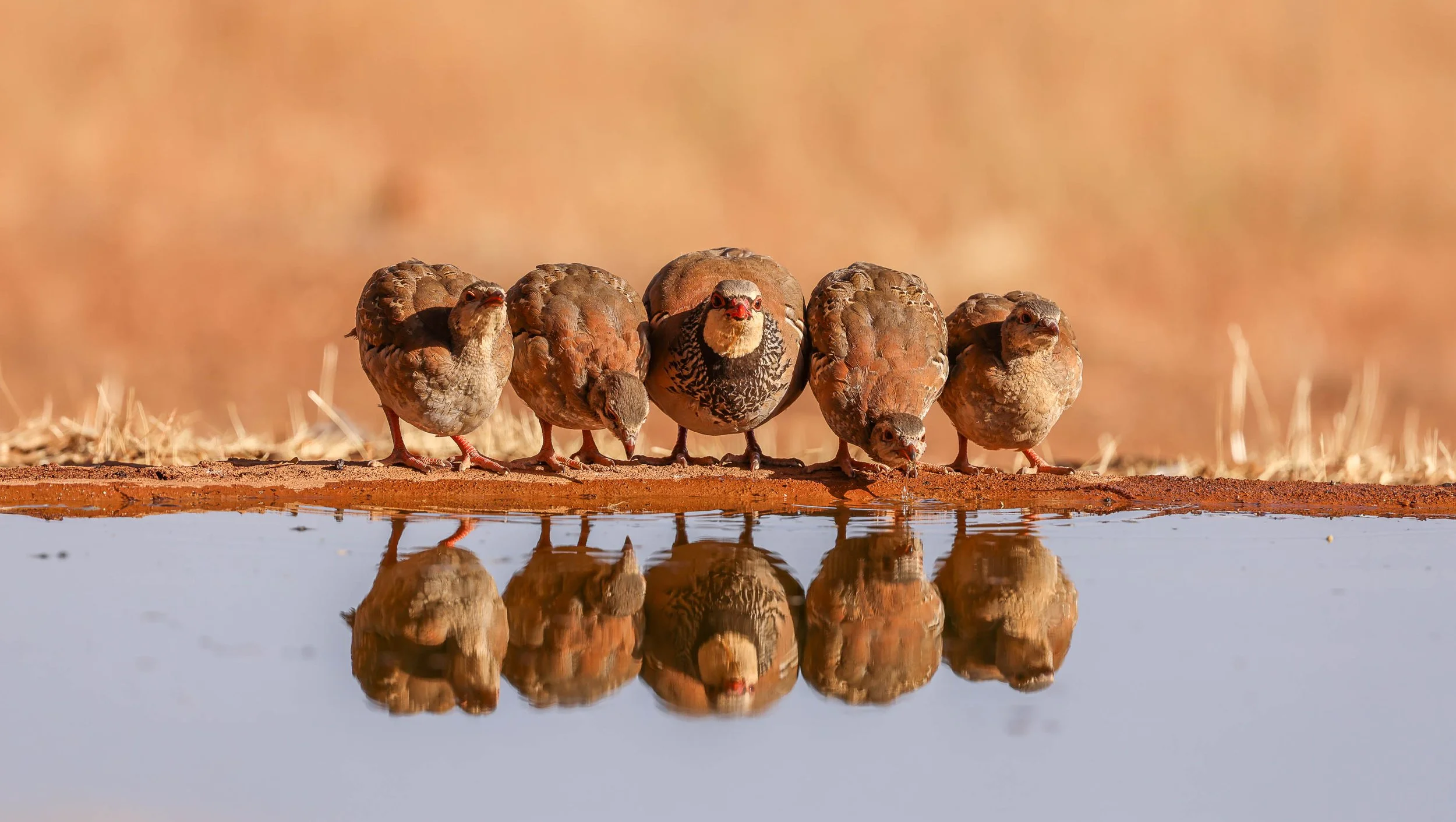
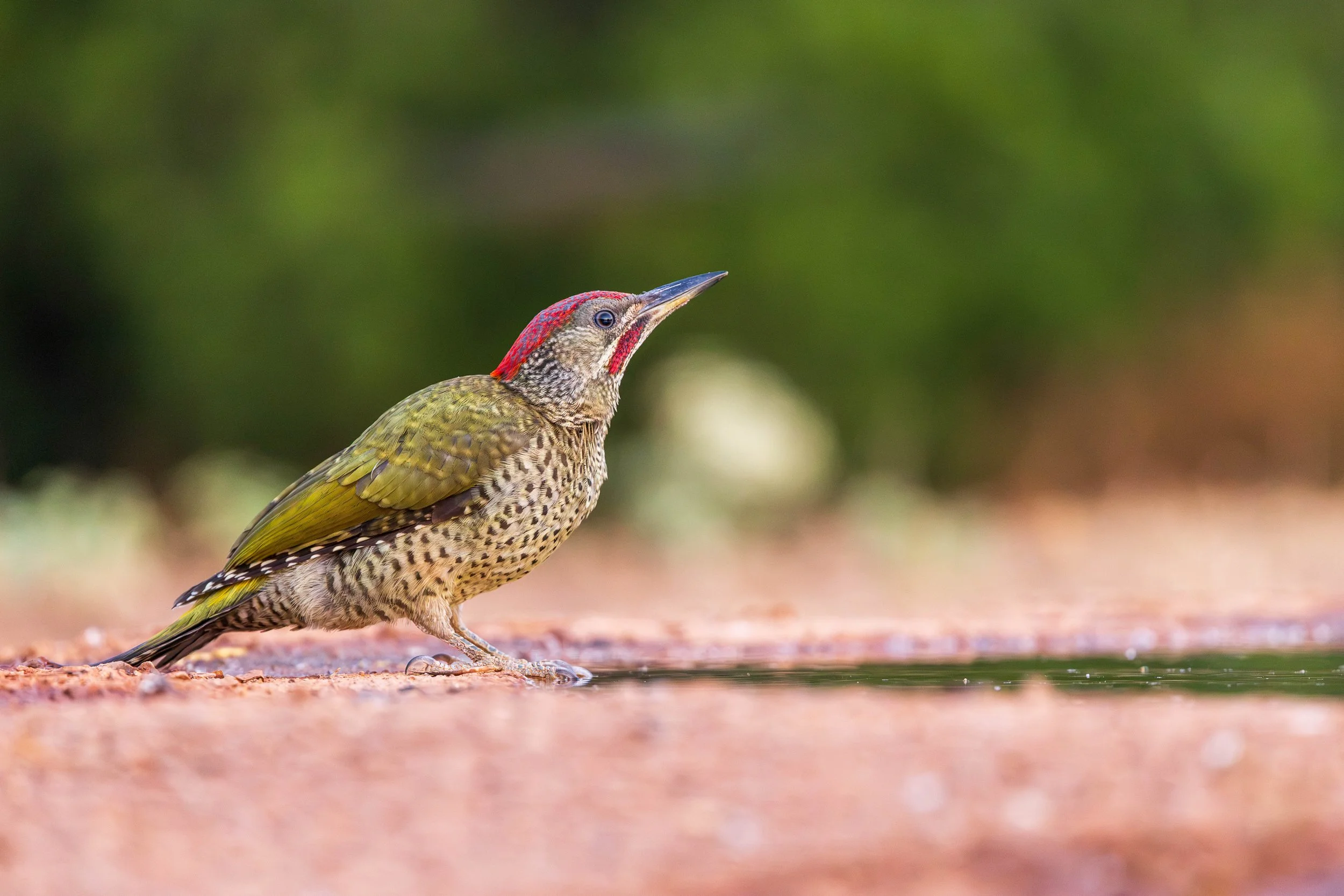
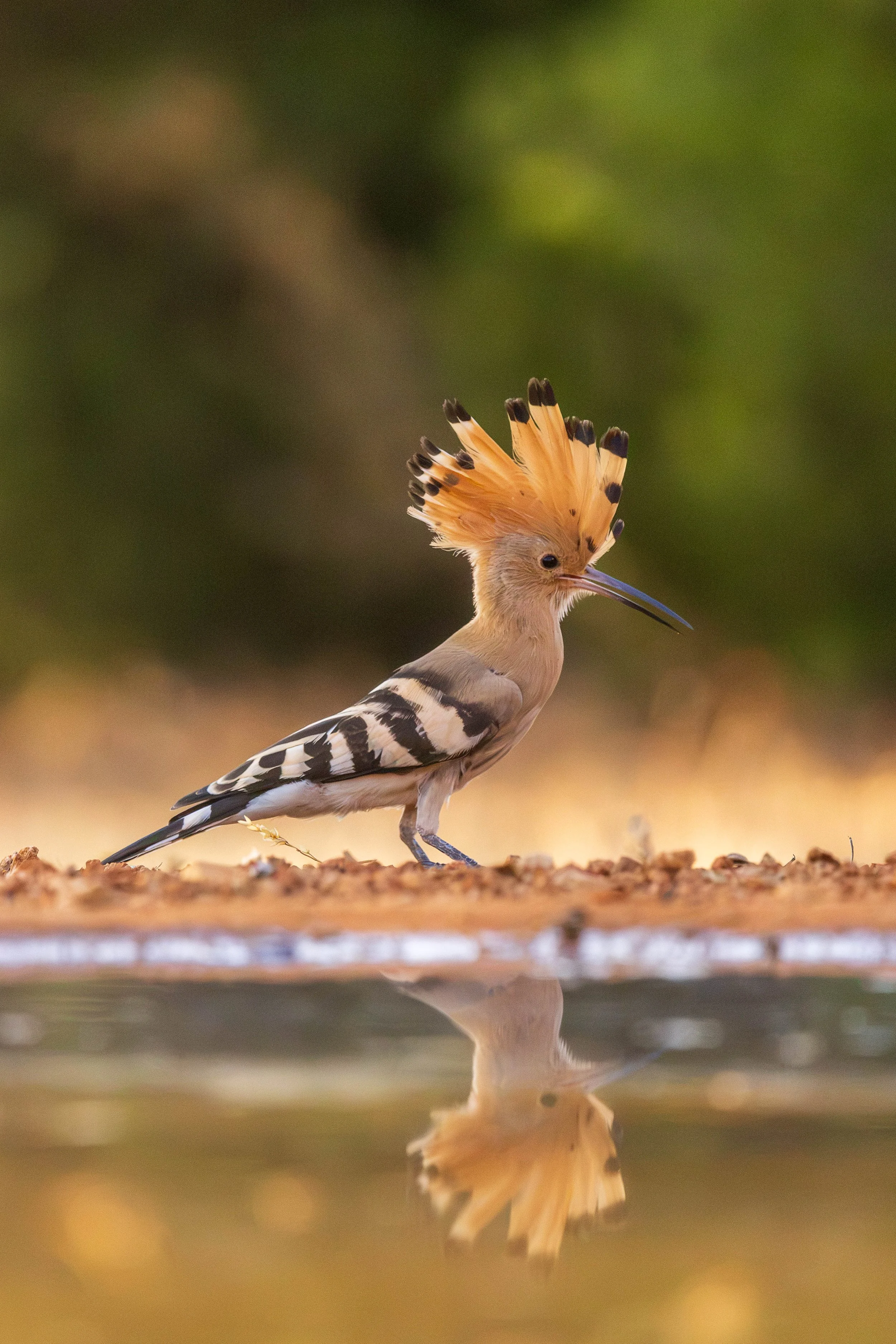
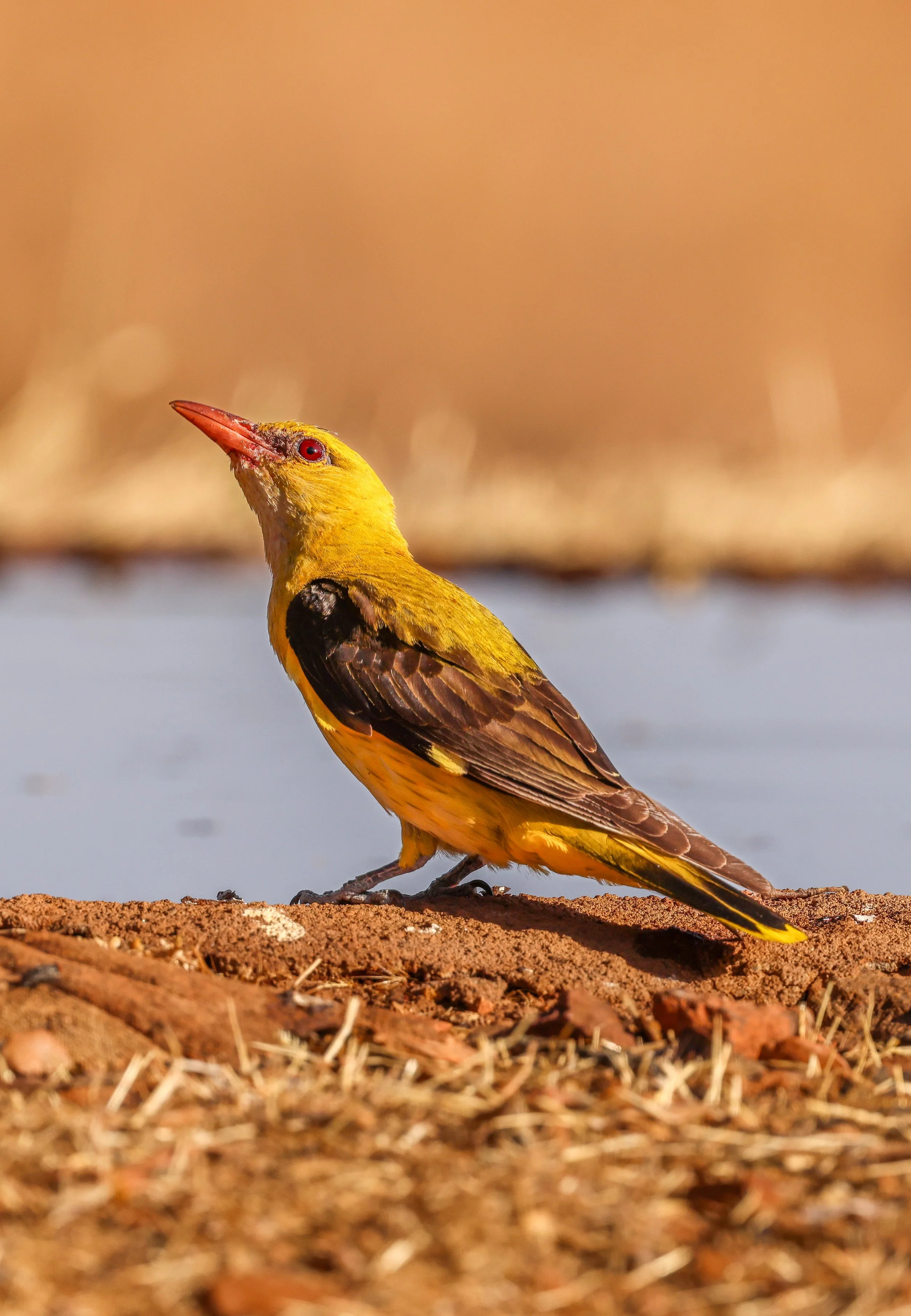
I really enjoyed my stay at Peñalajo. I was struck by the passion of the staff supporting the hides for maintaining the delicate ecological balance of the estate and ensuring the safety and wellbeing of the animals despite the oppressive heat. Once we slowly trundled behind a mother partridge leading her clutch of nine chicks along the dirt track towards the water holes. The chicks would stick to the track and the driver was keen not to scare them or fluster them as inciting them into sudden activity in such hot conditions could prove fatal for the delicate chicks.
As I was heading up to spend a few days with my better half in Madrid, I resolved to come back here again before exploring other European wildlife destinations. I want to come back and see other lynxes , particularly cubs, and perhaps even get a photograph of the bee eaters.